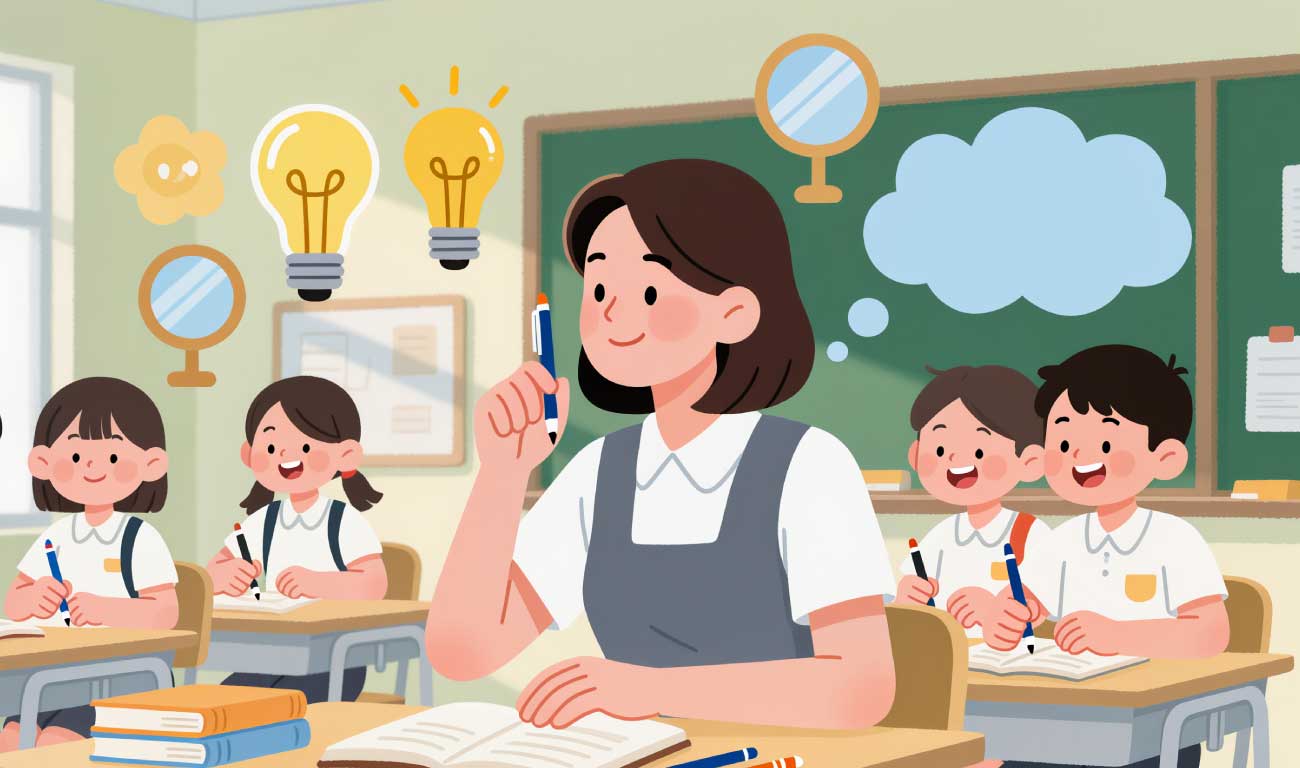
Educators Self-Reflection in Classroom Leadership is more than just keeping students in line and teaching them. It’s also about guiding, inspiring, and creating a positive learning space. To do this, teachers need to not only lead others but also look at themselves. Self-reflection in classroom leadership is very important for professional growth, student success, and the overall effectiveness of teaching methods.
Teachers can think about their teaching methods, how they run their classrooms, and how they lead by taking time to reflect. This process encourages teachers to keep learning and gives them the tools they need to meet the changing needs of their students. In this article, we’ll talk about why self-reflection is important for classroom leadership, what it can do for you, how to practise it, and how it can help you get better results in school.
What does it mean to reflect on yourself as a classroom leader?
Self-reflection is the act of looking at your thoughts, actions, and choices in order to make them better. For teachers, it means thinking about how they run the classroom, get along with students, and help them learn. Unlike simple self-assessment and self-reflection is a deeper process that focuses on both strengths and areas for growth.
In classroom leadership, reflection enables educators to pose essential enquiries such as:
- Did I do a good job of talking to my students today?
- What did I do when there were problems or conflicts in the classroom?
- Did my teaching methods include everyone and keep them interested?
What can I do to help students do better?
This reflective practice turns teaching into a never-ending cycle of growth, where leadership is always changing and never stays the same.
Why it’s important for classroom leaders to think about themselves
To be a good leader in the classroom, you need to be aware, flexible, and emotionally intelligent. This is why self-reflection is so important:
1. Makes it easier to make decisions
Educators who think about their choices in how they run their classrooms, teach, and get students involved are more careful. This awareness helps people make better choices and lowers the chances of doing things that don’t work again.
2. Improves emotional intelligence
Teachers become more empathetic, patient, and skilled at resolving conflicts when they think about how they interact with students. Emotional intelligence is a key part of being a good leader in the classroom.
3. Helps people grow in their jobs
Teachers can find gaps in their leadership skills and look for ways to improve them through reflection. It encourages people to keep learning, which is good for both teachers and students.
4. Helps students trust you
Teachers are more likely to make their classrooms respectful and welcoming when they think about how they act and talk to each other. When teachers are intentional and real, students notice, which builds trust and engagement.
5. Helps students learn better
In the end, reflective leadership makes teaching better, which helps students do better and be happier.
Benefits of Self-Reflection for Teachers and Leaders
The benefits of reflective practice go beyond the classroom:
More Self-Awareness: Teachers learn more about their own teaching styles, strengths, and weaknesses.
Adaptability: Reflection helps teachers be more flexible, which helps them meet the needs of all their students.
Less Burnout: Self-reflection helps teachers deal with stress by finding problems and coming up with ways to fix them.
Better Classroom Management: Teachers find out which methods work best to keep order and get students to participate.
Long-Term Career Development: Teachers who think about their work all the time become better leaders and are ready for higher-level leadership positions.
Useful Ways for Teachers to Reflect on Themselves
When you do self-reflection on purpose and regularly, it works best. Here are some things teachers can do:
1. Writing in a journal
Keeping a journal for teachers helps them keep track of what happens in their classrooms every day, including problems and successes. Going over these entries gives you useful information to help you grow.
2. Feedback and peer observation
When teachers invite their coworkers to watch classes and give them constructive feedback, they can see their leadership style from a different angle.
3. Feedback from Students
Getting feedback from students about the classroom and the way you teach can be very helpful. Students often give honest feedback on what works and what doesn’t.
4. Reflection on Video
Teachers can look at their body language, tone, and interactions with students in detail by recording lessons and watching them later.
5. Workshops for professional development
Participating in seminars, leadership programs, and training sessions helps you grow by making you think about what you’ve learnt and giving you new ways to teach.
6. Mindfulness Exercises
Mindfulness and meditation techniques help teachers be aware of and think about the decisions they make as leaders every day.
How Thinking About Yourself Affects Classroom Leadership
Self-reflection doesn’t just make teachers better; it also makes them leaders. A leader who thinks about things:
- Makes the classroom open to all students.
- Communicates clearly and well.
- Handles problems with patience and the ability to find solutions.
- Encourages students to be responsible for their own learning.
- Shows how to learn for life by always getting better.
This kind of leadership creates an environment of respect, curiosity, and teamwork that helps students do well in school and in life.
Difficulties in Engaging in Self-Reflection
Self-reflection can be hard, even though it is helpful. Some common problems are:
Time Constraints: Teachers have busy schedules that don’t leave much time for structured reflection.
Fear of Criticism: Some teachers may have trouble facing their flaws.
Not enough help: Without the right tools or support, reflection can feel random or useless.
To help students deal with these problems, schools should promote reflection through mentoring, peer support, and professional learning communities.
In conclusion
Self-reflection by teachers in their roles as classroom leaders is a great way to improve their teaching, grow as professionals, and help their students do well. Teachers can improve their leadership skills, build better relationships with students, and make learning environments more dynamic by thinking about their actions, feelings, and choices.
In the end, reflective leadership turns classrooms into places where students feel supported, interested, and motivated. It’s not just about teaching for teachers; it’s also about leading with purpose, awareness, and a desire to keep growing.