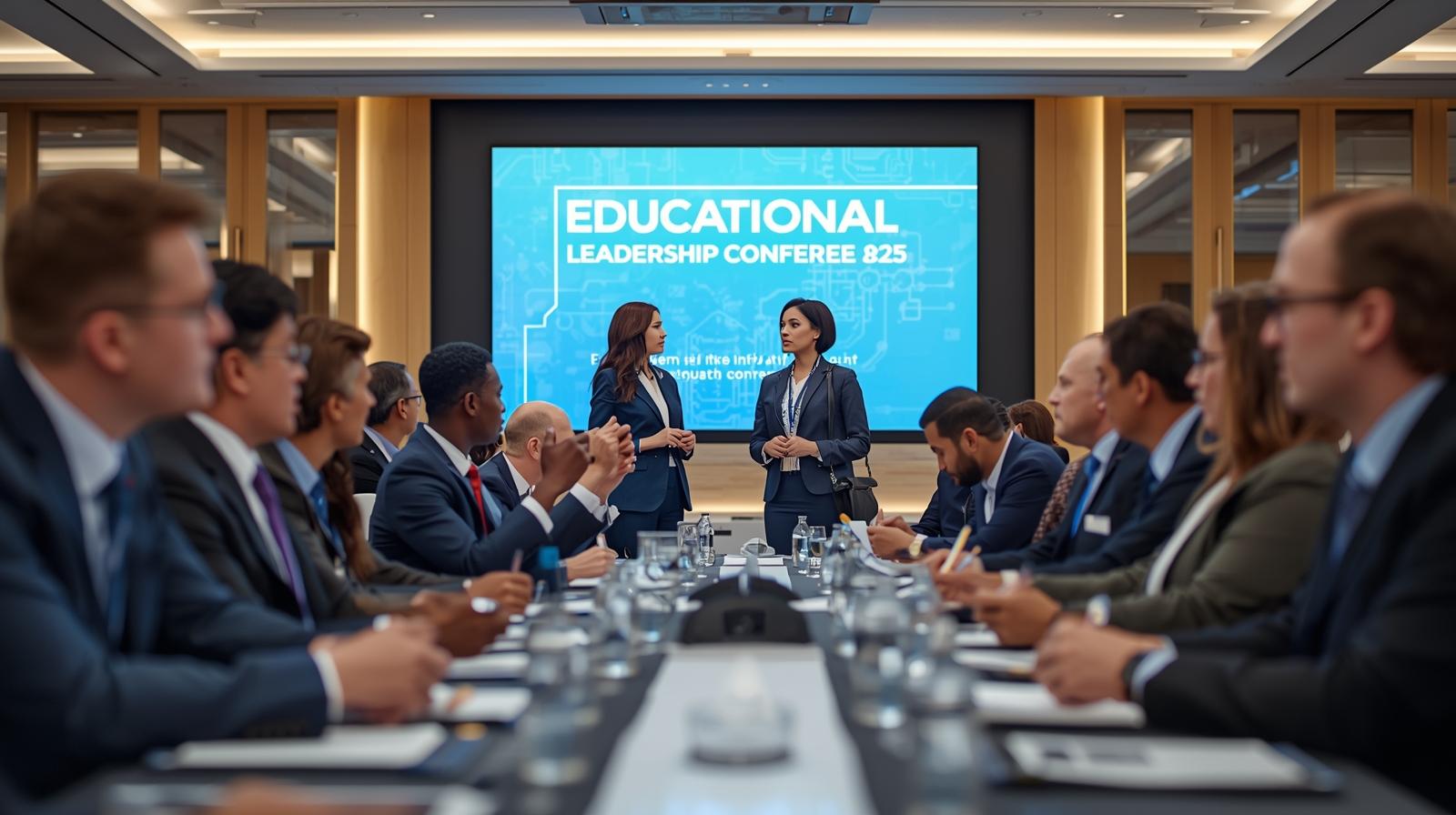
Leadership is the key to success in the quickly changing world of education. In addition to overseeing organizations, effective school leaders also foster change, enhance learning outcomes, and establish conducive learning environments for both teachers and students. Educational Leadership Conferences, which are gatherings aimed at empowering, educating, and connecting visionary educators around the world, are among the most effective channels for this professional development.
These gatherings provide forums for sharing creative concepts, picking up best practices, and discussing the difficulties facing contemporary educational systems. Educational leadership conferences can have a significant impact on both your professional development and the advancement of your school, regardless of your position as a principal, superintendent, or future school leader.
The Significance of Educational Leadership Conferences
Conferences on educational leadership are more than just official events; they are engines of innovation in education. This is why they are important:
1. Learning and Professional Development
Leaders can access the most recent research, instructional strategies, and leadership frameworks by attending these conferences. Key topics like technology integration, equity, instructional leadership, and data-driven decision-making are covered in workshops and keynote addresses.
By returning with practical insights that they can implement right away in their educational systems, participants can increase the efficacy of their instruction and administration.
2. Collaboration and Networking
Networking is among these conferences’ most beneficial features. Educational leaders establish connections with thought leaders, legislators, and peers who have similar goals and challenges. These relationships frequently result in cooperative projects that promote lifelong learning, mentorship opportunities, and long-term partnerships.
3. Remaining Ahead of Trends in Education
Globalization, digital transformation, and changing student needs are all contributing to the rapid evolution of education. In order to keep leaders proactive rather than reactive, conferences offer a front-row seat to new trends like blended learning models, artificial intelligence in education, and emotional intelligence leadership.
4. Inspiration and Creating a Vision
Being a leader can be lonely at times. Conferences give educators new life by reminding them of their purpose: to use education to shape the future. School leaders can rediscover their passion and purpose by hearing inspirational speakers and success stories.
Important Topics Covered at Conferences on Educational Leadership
Global conferences on education are held annually to discuss topics that will shape education in the future. Among the prevalent and important themes are:
1. Leadership in Instruction
Improving student performance and classroom procedures is the main goal of strong instructional leadership. Developing curriculum frameworks, coaching teachers, and designing efficient feedback mechanisms are common topics covered in sessions.
2. Inclusion and Equity
Regardless of background, ensuring equal opportunities for all students continues to be a top priority. Addressing achievement gaps, inclusive teaching, and cultural responsiveness are the main topics of discussion.
3. Making Decisions Based on Data
Educational leaders gain the ability to use data analytics to assess programs, gauge student progress, and make well-informed decisions for school improvement.
4. Innovation and Technology
As EdTech grows, conferences offer state-of-the-art resources for digital assessment, remote
learning, and classroom management, enabling leaders to successfully incorporate technology.
5. Well-being and Mental Health
The most effective leaders are aware that academic success depends on the wellbeing of both teachers and students. Workshops emphasize developing resilience in both teachers and students as well as fostering supportive environments.
How to Pick the Best Conference for Educational Leadership
With so many conferences happening all over the world, choosing the best one demands careful thought. This expert checklist will help you make your decision:
Align with Your Objectives: Select conferences that address topics pertinent to the requirements of your school, such as educational technology, leadership development, or curriculum design.
Examine the backgrounds:The keynote speakers to make sure they are reputable and have relevant experience.
Examine Format and Engagement: Rather than focusing solely on lectures, choose conferences that provide interactive sessions, practical workshops, and networking opportunities.
Evaluate ROI (Return on Investment): Consider the conference’s worth in terms of the information learned, the possibility of implementation, and the professional relationships formed.
Seek Post-Event Support: Learning doesn’t end with the event itself when conferences provide online follow-ups, recorded sessions, or coaching programs.
How to Get the Most Out of Going to a Conference
Planning and introspection are essential if you want to get the most out of an educational leadership conference.
Prior to the Conference
- Decide on two or three objectives for the event (e.g., enhancing student engagement, integrating technology, or improving staff morale).
- Examine the schedule and decide which sessions best suit your objectives.
- To ensure meaningful engagement, prepare questions and conduct research on speakers.
While at the Conference
- Engage fully in discussions and breakout sessions.
- Make connections with colleagues and trade contact details for upcoming projects.
- Make a list of important insights, possible courses of action, and ideas for implementation in your structured notes.
Following the Conference
- Host a debrief meeting with your leadership team to share key takeaways.
- Transform insights into a plan of action with distinct deadlines and roles.
- Continue your education with virtual sessions and post-conference materials.
Actual Impact: The Words of Effective Leaders
Numerous leaders in education attest that their practice has changed as a result of attending leadership conferences. They have developed inclusive school cultures, reinforced teacher support networks, and implemented new systems. For example:
“I started a teacher mentorship program after going to the Global Educational Leadership Summit. We observed a discernible improvement in student outcomes and engagement in just six months.
— Horizon International School Principal Sarah James
Commonly Asked Questions (FAQs)
Q1: Who ought to go to conferences on educational leadership?
A: The people who stand to gain the most are school principals, superintendents, administrators, teachers who want to become leaders, and education policymakers.
Q2: How successful are online conferences for educational leadership?
A: In agreement. Nowadays, a lot of hybrid events give attendees access to international experts and high levels of interaction, enabling flexible learning.
Q3: How many conferences should I go to in a year?
A: Meaningful learning and long-term implementation are ensured by attending one or two top-notch conferences per year.
Q4: How can the impact of a conference be measured?
A: After putting new tactics into practice, assess how teacher effectiveness, student involvement, and the general school culture have changed.
In conclusion
Conferences on educational leadership are more than just business gatherings; they are life-changing educational experiences that influence the direction of education. They enable school administrators to create institutions that are creative, inclusive, and focused on outcomes. Leaders can create lasting change that benefits communities, teachers, and students by actively participating in conferences, attending the appropriate ones, and putting important insights into practice.