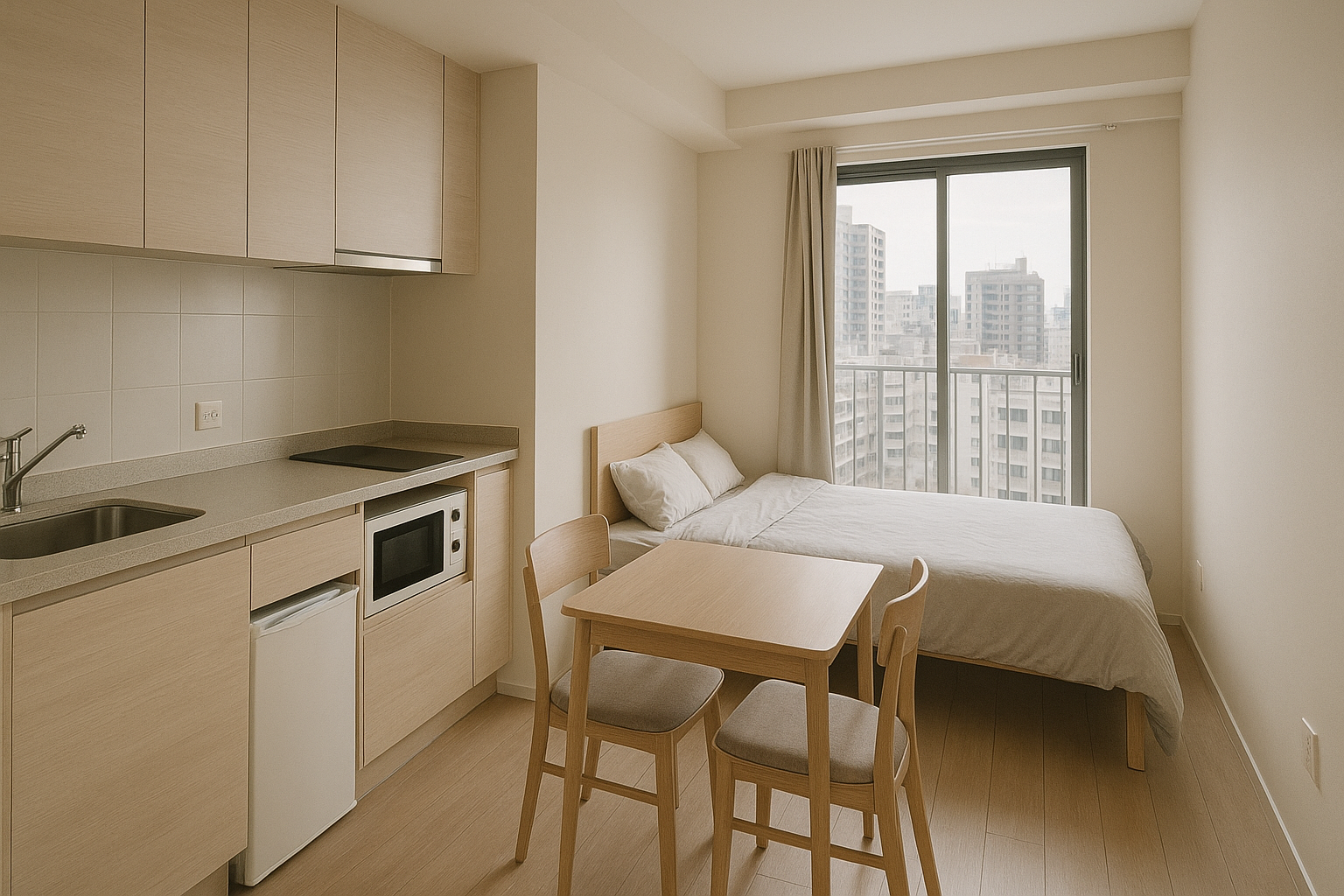
There is a big change happening in the rental market today. One of the newest trends changing city life is the rise of homes without traditional living rooms. Lounges have long been thought of as a normal part of rental homes, but changing lifestyles, family structures, and space issues are making this less common. A lot of renters these days are choosing homes that are more functional and efficient than traditional layouts.
Why homes without lounges are becoming popular
Living spaces in cities, especially in big cities, are getting smaller and smaller. Developers are focusing on building homes that are affordable and take up little space to meet the needs of young professionals, small families, and students. By getting rid of traditional lounges, properties can make room for things like bedrooms, kitchens, and bathrooms without raising the total cost of building.
Also, a lot of renters would rather have living areas that can be used for more than one thing than separate lounges. A combined kitchen and dining room or bedroom with a workspace, for example, can serve more than one purpose, which means you don’t need a separate lounge.
The Pros of Renting a House Without a Lounge
Rentals that are easy on the wallet: Homes without lounges are often less expensive. These properties are appealing to renters on a budget because the lower costs of building and maintaining them are passed on to them.
Smaller layouts can be more useful, especially in crowded cities, because they make better use of space. Getting rid of lounges makes bedrooms bigger, gives you more storage space, and makes kitchens more useful.
Simplified Lifestyle: If you and your partner don’t have guests over very often, you might not need a lounge. These homes let tenants focus on the areas they use every day.
Modern Design Flexibility: Open-concept layouts, which combine living, dining, and work spaces, are popular in modern interior design. This new way of doing things makes homes without lounges feel big and friendly.
Design Options for Homes That Don’t Have Lounges
- Renters can make their homes comfortable and stylish even if they don’t have a lounge:
- Convertible furniture, like sofas that turn into beds or folding tables, can make small rooms more useful.
- Open-plan kitchens make the most of space by combining living and dining areas.
- Small nooks or wall-mounted desks can be used as home offices.
- Creative Storage Solutions: Built-in wardrobes, shelving units, and storage under the bed make the most of space.
Who Gets the Most Out of Homes Without Lounges?
Young Professionals: People who live alone or with a partner often choose layouts that are more convenient and affordable over more traditional ones.
Small Families: Families of two to three people can make good use of bedrooms and living areas that can be used for more than one thing.
Students or short-term renters: People who need a place to stay for a short time care about saving money and making things work.
Things to think about before renting a home without a lounge
There are many benefits to homes without lounges, but potential tenants should think about:
Needs for entertaining: If you often have guests over, make sure the property has enough room for social events.
Storage Needs: Smaller layouts need careful planning for storage.
Privacy and Comfort: Think about how the shared living spaces affect privacy, especially in rentals that are shared.
Questions and Answers About Homes Without Lounges
Q1: Are homes without living rooms smaller than regular homes?
A: Not always. These houses don’t have extra square footage for a lounge; instead, they focus on efficiency and spaces that can be used for more than one thing.
Q2: Is it still possible to have guests over in a house without a lounge?
A: Yes. Kitchens, dining rooms, or multipurpose rooms that are open to the rest of the house can be used for entertainment.
Q3: Is it cheaper to rent a home without a lounge?
A: Yes, most of the time. Taking out a lounge lowers the costs of building and maintaining the space, which usually means lower rent.
Q4: Who should think about renting a house that doesn’t have a lounge?
A: Young professionals, small families, students, or anyone looking for affordable and useful places to live.
Q5: How can I make my home feel big even though it doesn’t have a lounge?
A: Use open layouts, furniture that can be used for more than one thing, mirrors, and creative ways to store things to make the most of the space.
In conclusion
It’s not just an idea anymore that homes don’t have lounges; it’s becoming a reality for renters today. These homes are a good choice for city living because they focus on functionality, cost-effectiveness, and smart design. People who rent now want places that fit their way of life, and homes without lounges are just right for the needs of a small, modern world.