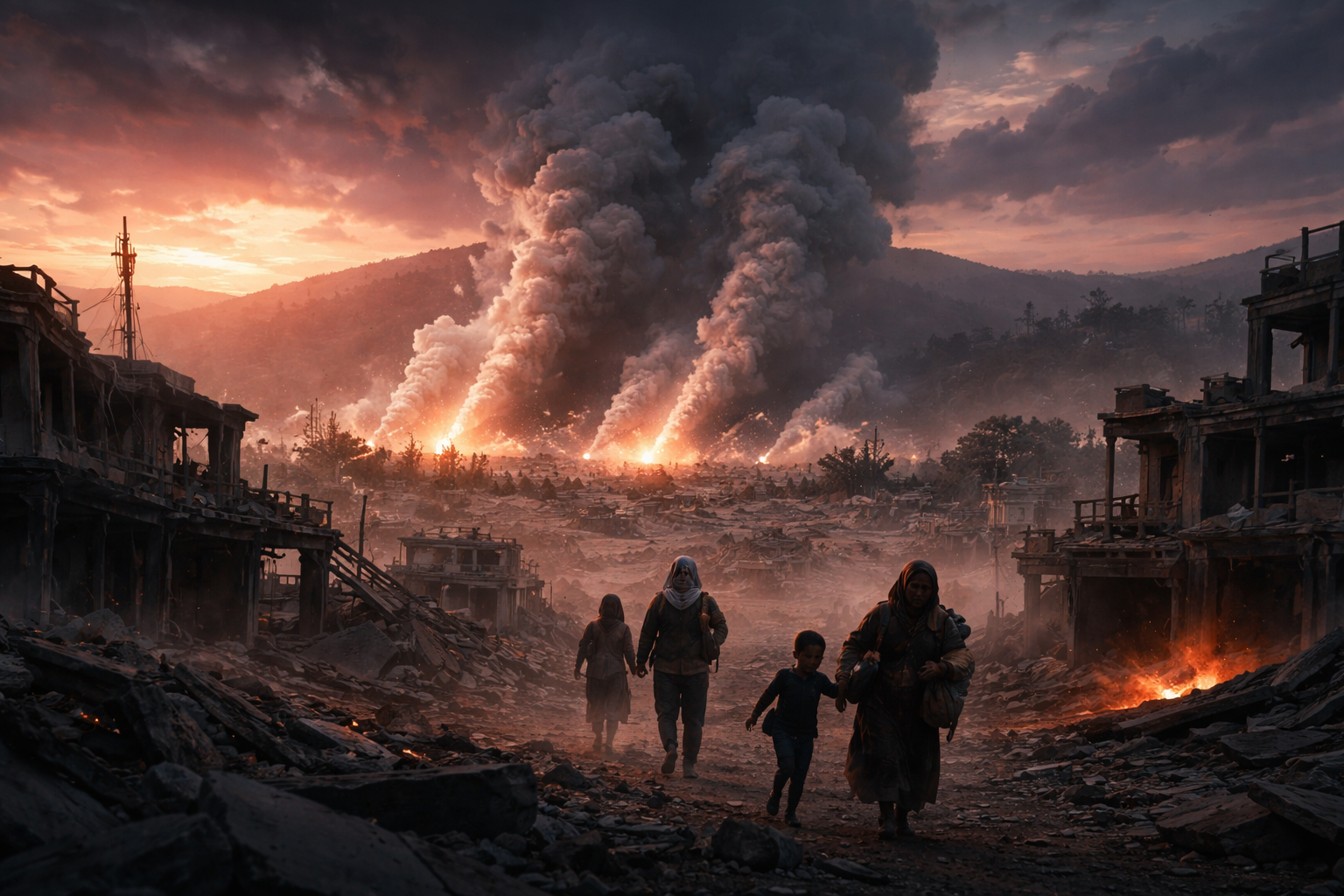
The issue of Israel’s use of white phosphorus in Lebanon has become a major topic in international humanitarian discussions. During the last few clashes between Israel and Hezbollah, reports indicate that forces used white phosphorus weapons in or near civilian areas of Lebanon. Human rights groups, legal experts, and international observers express deep concern because deploying incendiary weapons in populated areas severely harms people.The debate is about the legality, morality, and direct effects on people and the environment.
When white phosphorus comes into contact with air, it catches fire on its own. In the military, it is often used to make smoke screens, mark targets, or light up battlefields. But when used in homes or other places where people live, it can cause terrible burns, fires, and long-lasting damage to the environment. Because of this weapon’s use, people all over the world are paying attention to it. This makes the discussion about Israel’s use of white phosphorus in Lebanon both urgent and very important.
What is white phosphorus?
White phosphorus is a chemical that reacts with oxygen, which makes it catch fire on its own. The main military uses for it are to make smoke clouds that hide troop movements, mark targets for airstrikes or artillery, and light up areas during night operations. Most international agreements don’t consider it a chemical weapon, but using it as an incendiary weapon near civilians can cause a lot of damage.
White phosphorus can burn through skin and cause serious injury or death if it comes into contact with it. It doesn’t just hurt people; it also destroys buildings, farmland, and natural plants. International humanitarian law strongly criticises using it in populated areas because of these risks.
Deployment in LebanonDuring the recent rise in violence along the Israel-Lebanon border, forces used white phosphorus munitions in southern Lebanon. The deployment in towns near the border alarmed the international community because of the serious risks to people and the environment. Many residents fled their homes to avoid exposure to toxic smoke and burning debris.
Effect on people
Using white phosphorus has terrible effects on people. The chemical causes serious burns and breathing problems when breathed in or touched. It is hard to treat white phosphorus burns because the chemical keeps burning until it runs out of oxygen. This makes it very dangerous for civilians to accidentally come into contact with it, especially in conflict zones where there aren’t many medical resources.
Using white phosphorus not only hurts people physically, but it also hurts them mentally. Families who live in areas that have been affected are scared, unsure, and forced to move. Children and the elderly are especially at risk because they can have long-term emotional and mental health problems. People in communities that have been attacked face both short-term and long-term problems. They need to rebuild homes, infrastructure, and social stability.
Effects on the environment and farming
White phosphorus doesn’t just hurt people; it also hurts the environment and farming in a big way. White phosphorus fires can burn down crops, orchards, and forests, making it hard for people who rely on farming for a living to find food. The long-term effects are made worse by the pollution of soil and water systems, which makes it hard for farmers to start growing crops again even after the fighting is over.
The environmental effects of Israel’s use of white phosphorus in Lebanon are important because they go beyond the areas where the fighting is happening. Phosphorus particles can start secondary fires, pollute the soil, and harm local wildlife once they are released. It can take years to fix the long-term damage to ecosystems, which hurts both biodiversity and the people who live in those areas.
Things to think about legally
International humanitarian law imposes strict rules on how forces can use incendiary weapons like white phosphorus. Although not all countries have signed specific agreements controlling these weapons, forces still widely accept principles such as distinction and proportionality.These rules say that soldiers must be able to tell the difference between military targets and civilians and not attack people who don’t need to suffer.
Using white phosphorus in places with a lot of people may go against these rules. Human rights groups say that using incendiary weapons in residential areas without taking the right safety measures is an example of indiscriminate warfare, which can be looked at by international law. The ongoing discussion about Israel’s use of white phosphorus in Lebanon shows how military strategy and humanitarian duties can be at odds with each other.
The Past
Observers have previously claimed that forces used white phosphorus in Lebanon. During earlier clashes between Israel and Hezbollah, forces deployed incendiary weapons in civilian areas. These historical examples help explain current concerns and illustrate how militaries use weapons in border regions.Previous accusations show that there have been ongoing debates about the legality of military action, the protection of civilians, and the moral limits of military action.
These historical trends also show how important it is to keep an eye on and record events around the world. Independent verification of such assertions guarantees accurate documentation of civilian casualties and contributes to discussions regarding accountability and future military conduct.
Views from Local Communities
Stories from people in Lebanon who experienced white phosphorus reveal how deadly this weapon is. Residents report leaving their homes to escape chemical smoke and fires. Many describe how the attacks overturned their lives by destroying their homes, schools, and health facilities.Displacement often forces families to live in temporary shelters where conditions are bad and they can’t get to basic services.
Local leaders say that children are especially at risk of mental trauma from being afraid of more attacks. The effects on education, health care, and daily life make it harder to recover from conflict in the long term. Comprehending these human experiences is crucial for contextualising discussions regarding the legality and morality of white phosphorus utilisation.
Response from other countries
Reports of the use of white phosphorus in Lebanon have worried people all over the world. Human rights groups want independent investigations to find out if these actions are legal. They stress how important it is to hold people accountable and follow international humanitarian law to keep civilians safe.
The world’s focus on Israel’s use of white phosphorus in Lebanon shows how important it is to have clear reporting, monitoring, and ways to stop future harm. Diplomatic pressure and advocacy work to make sure that military operations follow the law and cause as little harm to civilians and the environment as possible.
Possible Effects in the Long Run
The long-term effects of using white phosphorus are many.In addition to causing immediate injuries, the conflict can inflict long-term environmental damage, destroy jobs, trigger mental trauma, and disrupt social systems in affected areas. It could take years for agricultural areas to get back on their feet, and moving people around can change the way communities work forever.
The ongoing debate over Israel’s use of white phosphorus in Lebanon shows how important it is to take action to help people and follow the law. To lessen the long-term effects of conflict, it is important to protect civilians and deal with the environmental and social effects.
Commonly Asked Questions (FAQs)
What is white phosphorus, and why is it used in war?
When white phosphorus comes into contact with air, it catches fire. Militaries use it to make smoke screens, mark targets, and light things up. It can cause serious burns and fires if not used correctly.
Is it against the law to use white phosphorus in other countries?
International humanitarian law prohibits using incendiary weapons in populated areas. Using white phosphorus in such areas can violate these laws if the military does not need it or fails to take sufficient precautions to protect civi
Has Israel said for sure that it used white phosphorus in Lebanon?
Israel has admitted to using white phosphorus for military purposes, such as making smoke screens. But it says it doesn’t target civilians, which is a key point in the ongoing debates about whether or not it is legal to use.
What makes the issue of Israel’s use of white phosphorus in Lebanon so controversial?
The controversy arises from reports that forces used incendiary weapons over populated areas, putting civilians in danger. This is a sensitive and hotly debated topic because of humanitarian, legal, and moral concerns.
What are the long-term effects of white phosphorus on people and the environment?
Long-term effects include severe burns, breathing problems, mental trauma, damage to infrastructure, contamination of soil and water, loss of crops, and long-term disruption of communities.
Conclusion
The controversy surrounding Israel white phosphorus Lebanon highlights the complex intersection of military strategy, humanitarian concerns, and international law. The use of white phosphorus in or near populated areas exposes civilians to severe health risks, psychological trauma, and long-term environmental damage. Historical patterns and recent reports indicate that these weapons can have devastating consequences, not only on immediate victims but also on communities’ social, economic, and ecological systems.
International humanitarian law sets clear limits on deploying incendiary weapons, emphasizing the protection of civilians and the principles of distinction and proportionality. Yet, the recurring deployment of white phosphorus in conflict zones underscores the urgent need for accountability, transparency, and stronger enforcement mechanisms.