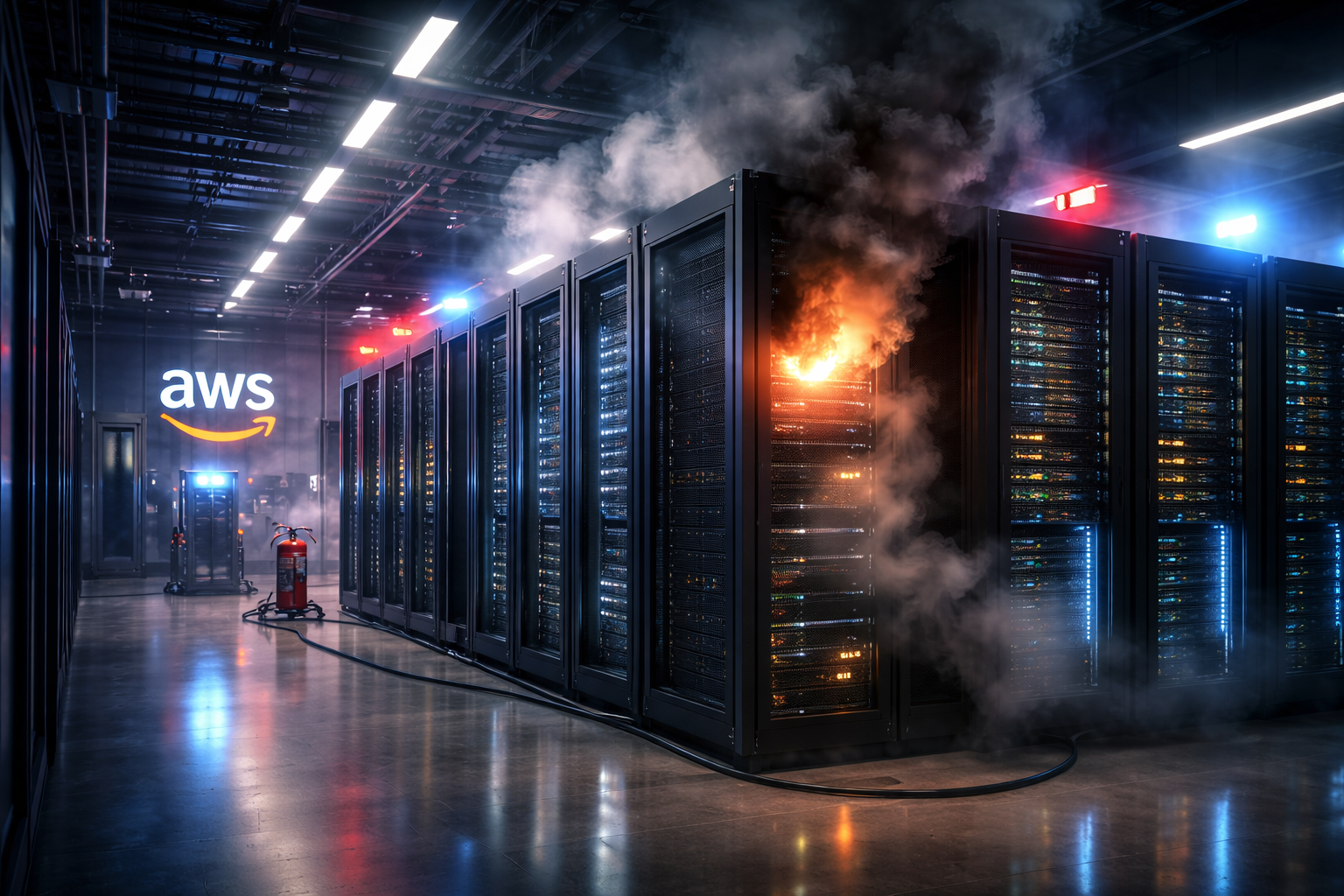
Cloud infrastructure is very important for businesses, governments, and people in the digital age. The recent fire at the Amazon UAE data centre has shown how weak these important systems can be. Data centers are built to keep power on, keep private information safe, and offer cloud services without interruption. But even the safest places aren’t safe from things that happen out of the blue. This event has caused a lot of worry among businesses and tech users in the UAE and around the world.
It’s important for stakeholders, IT professionals, and businesses that rely on cloud computing to know what happened, why it happened, and how Amazon reacted. This article goes into great detail about the Amazon UAE datacenter fire, looking at its causes, short- and long-term effects, recovery efforts, and lessons learned for the industry.
What happened during the incident?
The fire at the Amazon UAE data centre came out of nowhere, causing local emergency services to respond and drawing attention from around the world. Early reports say that the fire started in the building’s electrical systems. These systems, which power servers and cooling equipment, are very sensitive and have to deal with a lot of stress. An electrical problem probably caused the overheating, which set off the fire suppression systems.
Even with the advanced safety measures in place, smoke and heat temporarily stopped work in a few server clusters. Amazon’s first steps were to isolate the affected areas, turn on fire suppression systems, and let customers know that services might be interrupted. There were no deaths, which is good, but the event showed how risky even the best facilities can be. Companies that depend on Amazon Web Services (AWS) said they had temporary problems, which led to a review of how prepared the region is for disasters.
What started the fire at the Amazon UAE Data Centre?
There are many things that can cause fires in data centres, and knowing what they are is important for stopping them from happening again. Experts looking into the situation found the following possible causes:
Failures in the electrical system
Data centres need a lot of electricity because they have thousands of servers. Fire can easily start when circuits are overloaded, wiring is broken, or parts are broken. Electrical problems are thought to be the main cause of the Amazon UAE data centre fire. This shows how important it is to check, maintain, and keep an eye on electrical systems on a regular basis.
Equipment Failure
Cooling units and servers make a lot of heat. If cooling systems or server parts break down, temperatures can rise above safe levels. In data centers with a lot of equipment, even small problems can get bad very quickly. With strict maintenance and monitoring schedules, many of these types of accidents can be avoided.
Mistakes made by people
Automation makes people less involved, but people still need to keep an eye on things. Mistakes made during maintenance, wrong use of backup systems, or late reporting of problems can all make the risk of fire worse. Even when primary systems work correctly, human factors can still have an effect.
Factors in the Environment
Even though data centers are controlled environments, things like bad weather, high humidity, or dust accumulation can affect system stability. Sometimes, electrical problems can happen because of lightning strikes or other things in the environment. These factors, though less common, show how important it is to keep an eye on everything and design things to be safe.
Businesses and services will feel the effects right away
The fire at the Amazon UAE data centre had a direct and immediate effect on businesses that used AWS services. Cloud services are the backbone of modern digital businesses, such as e-commerce, banking, and SaaS platforms. Even small interruptions can have big effects.
Service outages were one of the first things that were easy to see. Some applications, websites, and storage solutions were down for a short time. Businesses had problems with customer service, operations, and online transactions. Even though Amazon’s backup systems helped avoid long-term data loss, the incident showed how fragile digital infrastructure can be when something unexpected happens.
There were also clear financial effects. Downtime means lost sales, delayed transactions, and less efficient operations. Also, businesses had to quickly assess the situation and make plans for recovery, which sometimes meant taking resources away from their main operations to deal with the problem.
Another thing that worried people was trust and reputation. Amazon has a strong reputation for being reliable, but even small problems can make users lose faith. During and after the incident, clear communication from AWS was very important for keeping clients’ trust.
How Amazon responded and what they did to recover
Amazon’s response to the fire at the Amazon UAE data center showed that they were prepared and able to handle a crisis. Fire suppression systems were turned on right away, and server clusters that were affected were isolated. This stopped the situation from getting worse and put out the fire quickly.
Data recovery and redundancy were very important for keeping the service running. AWS has a multi-location architecture that makes sure that data and services from one affected centre are handled smoothly by others. During the fire, unaffected centres automatically took on extra work, which let businesses keep running with little interruption.
Communication with clients was the most important thing. Amazon kept people up to date on the status of affected systems, how long it would take to fix them, and what safety measures were still in place. During these kinds of events, being open is very important because it makes clients feel safe about their data and the reliability of their operations.
After the fire was put out, Amazon started a full investigation to find out what caused it and how to make safety rules better. This included going back to check the electrical systems, looking at fire suppression technologies, and improving monitoring systems to find problems early.
Long-Term Effects on the Cloud Business
The fire at the Amazon UAE data centre is a reminder of how important it is for cloud infrastructure to be able to handle problems. Even buildings that are well-designed and use the latest technology can be affected by things that happen out of the blue.
One important effect is that people are paying more attention to data security again. More and more, businesses and cloud users are choosing service providers that have strong redundancy, monitoring, and fire safety systems. Regulatory compliance and certifications may get stricter to make sure that facilities meet the highest safety standards.
Another result is new ideas for stopping and putting out fires. Data centres will probably start using smarter detection systems, AI-based monitoring, and safe-for-the-environment suppression solutions, which are methods that minimise environmental impact while effectively managing fire risks. These changes make the system more resilient and lower the chance of operational problems.
This event also shows how important it is to have multi-cloud strategies. When things go wrong, depending on just one provider can make you more vulnerable. Companies are now looking at different cloud solutions to spread out risk and keep their operations going.
What We Learned from the Incident
Businesses, service providers, and policymakers can learn a lot by looking into the Amazon UAE data center fire. The main lessons are how important it is to have backups, do regular maintenance, and be ready for emergencies.
Data redundancy, which involves storing copies of data in multiple locations, ensures that operations continue even if one centre experiences a problem.Regular maintenance checks lower the risk of fires caused by equipment, and thorough staff training improves how quickly they can respond to emergencies. During crises, being open and honest with clients helps keep their trust and reputation.
It’s also important to put money into infrastructure that won’t catch fire. Advanced suppression systems, server enclosures that can withstand heat, and facilities with controlled environments can stop small problems from becoming big ones.
Effects on Businesses in the UAE and Around the World
The fire had effects on people all over the world. Companies based in the UAE had direct operational problems, and global clients who used AWS services in the region also had temporary problems.
For a short time, e-commerce sites, SaaS apps, and banking operations were all affected. This shows how cloud services are all connected. The event shows how important it is for businesses of all sizes to have plans for assessing risks, keeping the business running, and recovering from disasters.
More and more businesses are realising how important it is to have backups in more than one place, extra infrastructure, and proactive monitoring. The fire is an example for businesses that want to make themselves more resilient when things go wrong.
Things to do to keep it from happening again
To stop things like the Amazon UAE data centre fire from happening, we need both new technology and better ways of doing things.
Advanced fire detection sensors, automated suppression systems, heat-resistant server enclosures, and regular checks of the electrical system are all examples of technological measures. These systems make sure that fires are found early and don’t spread.
Operational strategies are just as important. Drills for emergency response, training for staff, and regular maintenance schedules all help people make fewer mistakes and be more ready. Regular audits, data backups, and redundancy across multiple locations lower risks even more, making sure that operations continue even in emergencies.
Questions that are often asked (FAQs)
What started the fire at the Amazon UAE datacenter?
Early investigations point to an electrical problem as the main cause, possibly with equipment overheating as a contributing factor. There may have been human error or maintenance that was late that played a role.
Did the fire destroy any data?
There have been no reports of confirmed data loss. Amazon’s backup systems and redundancy protocols made sure that data was safe and services kept running.
How long did the fire affect operations?
The fire caused some temporary problems, but most services were back up and running within hours thanks to Amazon’s automated redundancy and quick response systems.
Is Amazon doing anything to stop this from happening again?
Yes, Amazon is upgrading its electrical systems, fire detection systems, and monitoring systems, and it is also going over its maintenance schedules to make sure that similar events don’t happen again.
What can companies do to get ready for these kinds of events?
Companies should use multiple clouds, keep backups offsite, plan for disasters, teach employees how to handle emergencies, and test their operational resilience on a regular basis.
Final Thoughts
The Amazon UAE data centre fire shows the importance of strong infrastructure, proactive risk management, and disaster readiness. Amazon’s fast response minimized damage, but the incident highlights the need for regular monitoring, maintenance, and safety investments.
For businesses and cloud users, it stresses having backup plans, disaster recovery strategies, and multi-location setups. The event also pushes the cloud industry to improve safety and resilience. These lessons will help prevent future incidents and make cloud operations more secure worldwide.