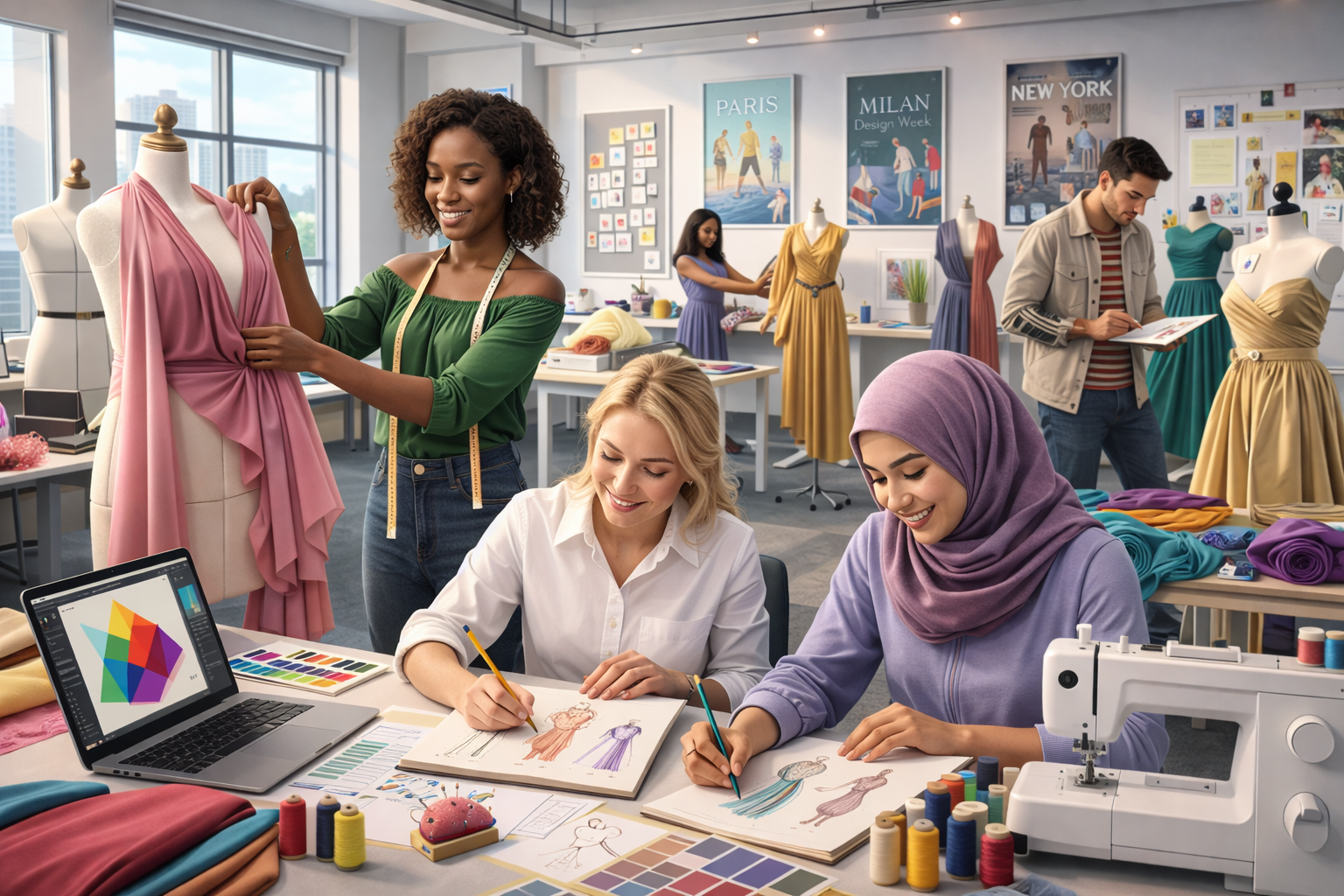
Fashion is more than clothing; it is a form of art, a reflection of culture, and a medium to express creativity. Aspiring designers seeking a career in fashion must carefully choose the right school, as education plays a crucial role in shaping talent. The best fashion schools in the world combine creativity, technical training, industry exposure, and networking opportunities, preparing students to excel in a competitive industry.
Why Education Matters in Fashion
A career in fashion demands creativity, innovation, and practical skills. While talent is essential, formal education provides structure, exposure, and the technical knowledge required to bring designs to life. Top fashion schools equip students with knowledge in design, textiles, styling, marketing, and sustainability. By attending the best fashion schools in the world, students gain guidance from experienced faculty and access to state-of-the-art facilities. These institutions help students transition from creative ideas to professional execution.
The Advantages of Attending Top Fashion Schools
The benefits of enrolling in a top fashion school extend beyond academic learning. Students develop professional skills, such as garment construction, design research, and trend forecasting. These schools also provide exposure to global fashion trends, cultural diversity, and international collaborations. Opportunities like internships, participation in fashion weeks, and industry networking help students establish professional connections. Graduates from the best fashion schools in the world often find employment in renowned brands or successfully launch their own labels.
Top Fashion Schools Across the Globe
The global fashion industry is dynamic, and certain institutions consistently stand out for producing highly skilled designers.
Parsons School of Design – New York, USA
Parsons School of Design is renowned as one of the best fashion schools in the world. Its programs integrate creativity, technical skills, and professional development. Students participate in real-world projects, internships, and collaborations with leading fashion brands. Parsons emphasizes portfolio development, industry exposure, and hands-on experience. Graduates are prepared to take on roles in design, marketing, and fashion entrepreneurship.
Central Saint Martins – London, UK
Central Saint Martins is famous for fostering creativity and experimentation. The school has produced iconic designers who have shaped global fashion trends. Students are encouraged to innovate and express unique ideas. The curriculum includes practical projects and opportunities to showcase work at London Fashion Week, providing exposure and career-building opportunities.
Fashion Institute of Technology (FIT) – New York, USA
FIT combines creative education with business-oriented training. Students gain skills in design, merchandising, marketing, and styling. The school’s strong industry connections provide internships, collaborations, and professional guidance. FIT emphasizes practical learning, preparing students to thrive in multiple sectors of the fashion industry.
Istituto Marangoni – Milan, Italy
Italy is a hub for luxury fashion, and Istituto Marangoni is one of the best fashion schools in the world. Students learn Italian craftsmanship, high-end design, and global fashion practices. With campuses in Paris, London, and Shanghai, the school provides international exposure and multicultural experiences.
École de la Chambre Syndicale de la Couture Parisienne – Paris, France
This Parisian school represents traditional couture excellence. Students are trained in haute couture techniques, garment construction, and tailoring. The program emphasizes creativity, precision, and technical mastery. Collaborations with luxury French brands enhance practical learning and career prospects.
Royal Academy of Fine Arts – Antwerp, Belgium
The Royal Academy of Fine Arts encourages avant-garde design and innovation. The school promotes experimentation, critical thinking, and artistic freedom. It is known for producing the Antwerp Six, designers who have left a lasting mark on global fashion. Students graduate with the skills and confidence to challenge conventional design norms.
Courses and Specializations
The best fashion schools in the world offer diverse courses to meet the needs of aspiring designers. Fashion design programs focus on creating apparel, accessories, and collections. Fashion marketing and management courses cover branding, merchandising, and strategic planning. Textile design programs explore materials, fabrics, and production techniques. Styling programs teach students to curate fashion looks for media, runway, and commercial projects. Sustainability courses address ethical practices, eco-friendly materials, and innovative design solutions. These programs ensure graduates are versatile and ready for industry challenges.
Admission Requirements
Top fashion schools have rigorous admission criteria. A well-prepared portfolio showcasing creativity and skill is essential. Academic qualifications, such as high school or undergraduate degrees, are required. Language proficiency tests, such as IELTS or TOEFL, may be necessary for international students. Some schools conduct interviews or design assessments to evaluate motivation, originality, and potential. Preparing for admission to the best fashion schools in the world requires careful planning, clear goals, and demonstration of talent.
Career Opportunities After Graduation
Graduates from leading fashion schools enjoy a variety of career options. Fashion designers can work for luxury brands, established designers, or launch their own labels. Stylists curate looks for editorial shoots, fashion shows, and commercial campaigns. Textile designers develop innovative fabrics and patterns. Fashion marketing professionals handle brand promotion, retail strategies, and trend forecasting. Product development, fashion buying, and entrepreneurship are also viable career paths. Attending the best fashion schools in the world ensures graduates are equipped to succeed in competitive roles.
How to Select the Right Fashion School
Choosing the ideal fashion school requires evaluating multiple factors. Reputation and ranking are indicators of quality and alumni success. The school’s location affects exposure to fashion hubs, internships, and networking opportunities. Course offerings should align with career goals, whether in design, styling, or business. Tuition fees and living expenses are practical considerations. Industry connections, alumni networks, and opportunities for professional collaboration are critical for long-term success. Evaluating these factors allows students to make an informed decision that supports their personal and professional growth.
The Role of Global Exposure
International exposure is a hallmark of the best fashion schools in the world. Students learn about diverse design philosophies, cultural influences, and global fashion trends. Exchange programs, internships abroad, and participation in fashion events foster creativity and innovation. Global exposure enhances employability, broadens perspectives, and prepares students for careers in the international fashion market.
Technology and Innovation in Fashion
Modern fashion education integrates technology with traditional design skills. Students learn digital tools such as CAD, 3D printing, and virtual garment simulation. Courses in e-commerce, fashion analytics, and virtual runway presentations prepare students for evolving industry needs. By embracing technology, the best fashion schools in the world ensure graduates remain competitive and innovative, capable of responding to emerging trends and challenges.
Alumni Achievements
The legacy of top fashion schools is evident in their alumni. Parsons graduates include Marc Jacobs, Tom Ford, and Donna Karan, influential figures in global fashion. Central Saint Martins boasts alumni like Alexander McQueen and Stella McCartney, known for creativity and innovation. The Royal Academy of Fine Arts produced the Antwerp Six, whose designs revolutionized fashion. Alumni success inspires current students and demonstrates the transformative impact of education at the best fashion schools in the world.
Scholarships and Financial Support
Many top fashion schools offer scholarships to support talented and deserving students. Scholarships may be merit-based, need-based, or designed to encourage international students. Financial support allows students to focus on their studies, participate in global programs, and access resources without financial stress. Understanding scholarship opportunities is essential when applying to the best fashion schools in the world.
Importance of Portfolio Development
A portfolio is a vital component of admission to top fashion schools. It demonstrates a student’s creative vision, technical skill, and problem-solving ability. Portfolios often include sketches, designs, projects, and photographs of completed work. Schools evaluate portfolios to assess originality, potential, and readiness for advanced study. Developing a strong portfolio is crucial for gaining entry into the best fashion schools in the world.
Frequently Asked Questions
Q1: What are the best fashion schools in the world for international students?
A: Parsons School of Design, Central Saint Martins, and Istituto Marangoni are highly recommended for international students due to global exposure, diverse programs, and international networking opportunities.
Q2: How long does it take to complete a fashion degree?
A: Undergraduate programs generally take three to four years, while postgraduate or master’s programs typically range from one to two years.
Q3: Is a portfolio necessary for admission?
A: Yes, a strong portfolio is essential. It showcases creativity, skill, and originality, providing admissions committees with insight into the applicant’s potential.
Q4: Are scholarships available at top fashion schools?
A: Yes, most leading fashion schools offer scholarships based on talent, merit, or financial need. Students should research each school’s scholarship opportunities carefully.
Q5: Do these schools focus on sustainable fashion practices?
A: Yes, sustainable fashion is increasingly integrated into the curriculum. Courses cover eco-friendly materials, ethical sourcing, and innovative practices.
Q6: What career paths are available after graduating from these schools?
A: Graduates can work as fashion designers, stylists, textile designers, marketing professionals, or entrepreneurs. Many also work with luxury brands or launch their own labels.
Q7: How do top fashion schools help students gain industry exposure?
A: Through internships, fashion shows, collaborations with brands, and participation in international events, students gain practical experience and professional networking opportunities.
Conclusion
Selecting one of the best fashion schools in the world is a critical step for anyone aspiring to a successful fashion career. These institutions provide creativity, technical expertise, industry exposure, and global networking opportunities. Graduates leave equipped to work in top brands, innovate in sustainable fashion, or establish their own labels. By researching schools, understanding programs, and preparing thoughtfully, aspiring designers can ensure their education becomes the foundation for a fulfilling career in the competitive fashion industry.
Attending a top fashion school transforms passion into professional achievement, offering knowledge, experience, and inspiration that shapes the future of fashion. Choosing wisely and dedicating oneself to learning and creativity ensures a strong start to a rewarding career.