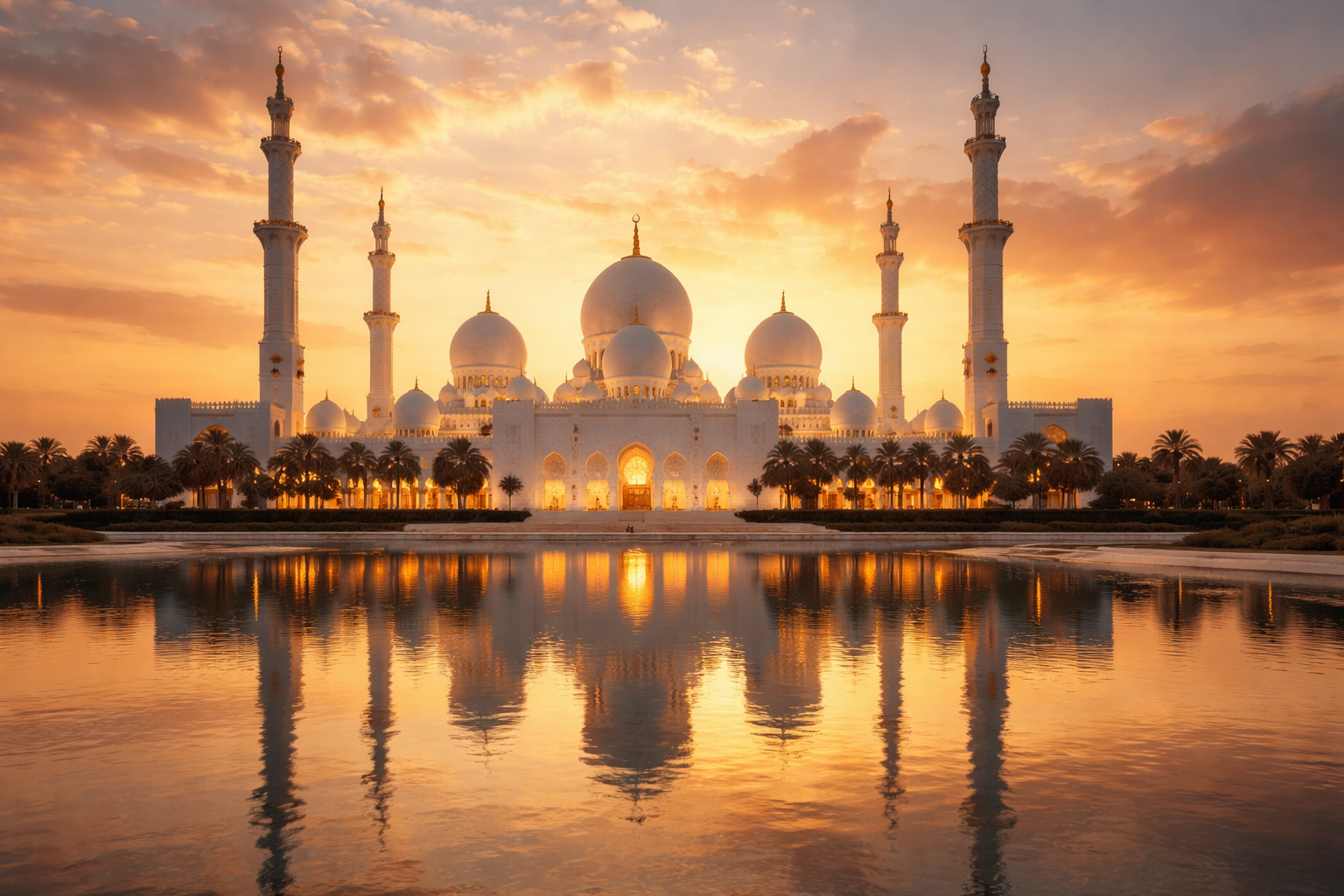
The Sheikh Zayed legacy in the UAE is a story of outstanding leadership, vision, and commitment to making the UAE a better place to live.Sheikh Zayed bin Sultan Al Nahyan, often called the founding father of the UAE, transformed the country from a group of small desert communities into one of the most modern and forward-thinking nations in the world. His leadership and vision continue to inspire people of all ages, affecting education, culture, the economy, infrastructure, and relations with other countries.
Sheikh Zayed was born in 1918. He became the ruler of Abu Dhabi in 1966 and was a key figure in the founding of the UAE in 1971. The country grew in ways that had never happened before, both socially and economically, thanks to his leadership. The Sheikh Zayed legacy in the UAE is not just about making money; it’s also about finding a balance between old and new, keeping culture alive while encouraging new ideas and long-term growth.
Sheikh Zayed’s Early Life and Beliefs
Sheikh Zayed grew up in the desert, where he learned the values of community, resilience, and simplicity. These early experiences influenced his political philosophy, which prioritised serving the people over exercising authority. His vision for the UAE was based on unity and progress, making sure that everyone in the country could benefit from its growth.
Sheikh Zayed’s main goals as ruler were to improve the country’s infrastructure, healthcare system, and schools. He knew that a country’s strength came from its people, so he put programs that would give citizens skills, knowledge, and healthcare for a better future at the top of his list. The legacy of Sheikh Zayed in the UAE can be seen in the better quality of life for its citizens and the building of a strong, long-lasting society.
Building a nation and improving infrastructure
One of the most impressive things about Sheikh Zayed’s legacy in the UAE is how he turned a desert into thriving modern cities. During his rule, Abu Dhabi and other emirates grew quickly. Roads, bridges, housing, hospitals, schools, and airports were built to connect people and boost trade and tourism.
Sheikh Zayed’s way of developing was all-encompassing. He stressed the importance of both urban growth and environmental sustainability. As part of his larger plan to protect nature while still making progress, he wanted to create green spaces, plant trees, and save water. The UAE’s modern cities, which mix buildings with natural scenery, still show the values of Sheikh Zayed’s legacy.
Knowledge and education are important for growth
Sheikh Zayed centered his vision on education, believing that the UAE’s future depended on a population educated and skilled enough to sustain the country’s growth. He built schools, colleges, and universities across the emirates to ensure that everyone had access to learning.Emiratis were able to study abroad thanks to scholarships and partnerships with other countries. They learned new things and brought them back home.
Sheikh Zayed also made big changes to the healthcare system. Hospitals, clinics, and public health programs were set up to make sure everyone got good care. People lived longer, and getting medical care was easier for everyone. These long-term investments show the Sheikh Zayed legacy in the UAE, which still helps both citizens and residents.
Heritage and Identity of the Nation
Sheikh Zayed thought it was very important to protect the UAE’s cultural heritage while also modernising it. He thought that progress should never get rid of tradition. To help people feel more connected to their country, historical sites were protected, traditional crafts were encouraged, and cultural festivals were promoted. The UAE built museums and cultural centres to teach both residents and tourists about the country’s history and culture.
Emiratis’ pride in their culture and their continued celebration of their traditions show Sheikh Zayed’s legacy in the UAE. His vision makes sure that modernisation and cultural preservation can happen at the same time, which gives the country a unique and balanced identity.
Taking care of the environment and making it last
Sheikh Zayed was known for his leadership in protecting the environment. He started projects to protect wildlife, save deserts, and use water resources wisely long before people started talking about climate change on a global scale. His long-term plan included projects to plant trees, protect wildlife, and keep mangroves healthy.
The Sheikh Zayed legacy in the UAE shows how smart he was to make sure that economic and urban growth didn’t hurt the environment. Mangrove forests and desert conservation areas are two examples of how he is working to protect the environment and promote growth that lasts.
Changing and diversifying the economy
Sheikh Zayed led the UAE from a small trading economy to a well-known financial and commercial hub. Sheikh Zayed strategically invested oil revenues into trade, tourism, industry, and infrastructure. He developed ports, airports, free zones, and industrial zones to reduce the economy’s dependence on oil.
The legacy of Sheikh Zayed still affects modern economic strategies, which stress innovation, entrepreneurship, and long-term growth. The UAE is a model of economic diversity and strength today, just like its founding father wanted it to be.
International Relations and Diplomacy
Sheikh Zayed was very important in building the UAE’s reputation around the world. He stressed the importance of diplomacy, getting along with others, and working together with other countries and world powers. His foreign policy was based on stability, helping people in need, and working with other countries.
The UAE continues to demonstrate the Sheikh Zayed legacy by actively collaborating with other countries, providing aid to people in need, and maintaining its reputation as a respected player on the world stage. Sheikh Zayed’s vision ensured that the nation upholds strong morals, promotes peace through its policies, and embraces global responsibility.
Helping others and giving money to good causes
Sheikh Zayed was kind to people outside of the UAE as well. He started humanitarian projects all over the world to help people in need get housing, education, and health care. He believed that wealth brings responsibility and that sharing prosperity improves people’s lives. Today, the UAE continues to honor Sheikh Zayed’s legacy through its many charitable and humanitarian efforts.His ideas still motivate both public and private groups to help make the world a better place.
Famous Landmarks and Memorials
There are many famous places in the UAE that honour Sheikh Zayed’s memory. The Sheikh Zayed Grand Mosque in Abu Dhabi is one of the most beautiful tributes to him. It represents his vision, values, and dedication to peace and unity. Cultural centers, museums, and monuments all over the UAE still honour his work and teach young people about his leadership.
The Sheikh Zayed legacy UAE is still a visible reminder of his amazing journey from being a leader in the desert to being the founding father of a modern, progressive nation.
The UAE’s influence on the modern world
Sheikh Zayed’s ideas still have an effect on how the UAE makes laws and runs its government. Education, healthcare, protecting the environment, coming up with new ways to make money, and preserving culture are still important for the country’s growth. Both citizens and leaders are still inspired by his vision of a nation that is balanced, prosperous, and long-lasting.
The Sheikh Zayed legacy UAE has made sure that the UAE is not only a successful economy but also a socially responsible, culturally aware, and globally respected country. His leadership set a high bar for future leaders to follow, and the UAE is a great example of visionary governance.
Questions and answers regarding the Sheikh Zayed Legacy in the UAE
Q1: Who was Sheikh Zayed bin Sultan Al Nahyan?
Sheikh Zayed bin Sultan Al Nahyan was the first president and the person who started the United Arab Emirates. From 1971 until his death in 2004, he was a key figure in bringing the emirates together and helping the country grow.
Q2: What makes Sheikh Zayed’s legacy important?
The Sheikh Zayed legacy in the UAE is important because it shows how the UAE has changed into a modern, progressive, and sustainable country while still keeping its cultural heritage and making sure that its people are happy.
Q3: What are Sheikh Zayed’s most important accomplishments?
Sheikh Zayed’s most important accomplishments are building the UAE into a nation, improving cities, diversifying the economy, promoting education and healthcare, protecting the environment, and making the UAE well-known around the world.
Q4: How do people in the UAE remember Sheikh Zayed today?
People remember him through places like the Sheikh Zayed Grand Mosque, cultural and educational institutions, environmental projects, and humanitarian projects that are still going on and show his values.
Q5: What effect does Sheikh Zayed’s leadership have on the UAE’s current policies?
His leadership stresses long-term growth, protecting cultural heritage, helping people in need, being responsible for the environment, and working together with other countries. These are the main ideas behind the UAE’s current policies and government.
Conclusion
The Sheikh Zayed Legacy UAE represents vision, leadership, and a deep commitment to the progress and well-being of the nation. Sheikh Zayed bin Sultan Al Nahyan laid the foundation for a united and prosperous country by promoting unity, education, development, and cultural preservation. His leadership transformed the UAE from small desert communities into a modern and globally respected nation. Through his dedication to improving the lives of people, he created opportunities in education, healthcare, infrastructure, and economic growth.
Sheikh Zayed also believed strongly in protecting the environment, preserving cultural traditions, and maintaining strong relationships with other nations. His values of generosity, tolerance, and cooperation continue to guide the UAE’s policies and global role today. Modern cities, advanced institutions, and humanitarian initiatives all reflect his long-term vision for a balanced and sustainable society.