Creative education is now one of the most important areas of study in the world today. As businesses move toward new ideas, design thinking, and digital creativity, more and more students look for schools that give them both artistic freedom and job skills. Art and design education helps culture grow, the economy grow, and technology move forward. The Alberta College of Art and Design is one of the most important schools in Canada for creative education.
This detailed guide is meant to give you a lot of information about the school. It talks about its history, how it is set up academically, how to get in, what the learning environment is like, what kinds of jobs students can get after graduation, and what the school plans to do in the future. The goal of this content is to give students, parents, teachers, and researchers who want to know more about what the school stands for and how it helps the creative industries a clear picture.
Understanding What Art and Design Education Does
Art and design education is more than just learning how to draw, paint, or make things that look good. It helps you think critically, solve problems, talk to people, and learn about other cultures. Students who study creative fields learn how to see things from different points of view and turn ideas into meaningful pictures.
In today’s digital economy, creative people work in a wide range of fields, including advertising, branding, animation, user experience design, product development, film, and interactive media. Schools that focus on creative education are very important for getting students ready for these careers. To meet this growing need, the Alberta College of Art and Design was founded to offer specialized programs that focus on both creativity and professional practice.
An Overview of the Institution
The Alberta College of Art and Design is a public college in Calgary, Alberta, Canada. It is known for giving focused education in visual arts, design, and new creative fields. The school focuses only on creative studies, which helps it keep its programs deep and high-quality, unlike most other colleges.
The college puts a lot of emphasis on learning through experience. A lot of the time, students work in studios, labs, and workshops for school. This hands-on method makes sure that learning isn’t just about theory but also about doing things and being creative. The goal of the school is to give its students the skills they need to be confident, flexible, and ready to work in professional settings.
History and how it has changed over time
The college was built because people in Alberta wanted a formal education in art and design. It started out as a small creative school and grew into a well-known place for higher education in the arts. Its growth shows how important creative industries are becoming to Canada’s economy.
The school has changed its curriculum over the years to keep up with changes in society and technology. Digital media, design thinking, and interdisciplinary approaches have added to traditional fine arts. This evolution has helped the college stay important and competitive in a world of education that is always changing.
Philosophy of Education and Learning
The school’s academic philosophy is based on creativity, trying new things, and asking tough questions. Students are encouraged to question ideas, learn about new things, and find their own artistic voice. The focus of learning is on the students, with a lot of emphasis on mentorship and working together.
Courses are set up so that students can learn both concepts and how to do things. Many assignments require students to solve problems that happen in the real world, which makes them think outside of the classroom. This method helps connect education and work, which makes graduates more confident and ready for the job market.
College-Level Academic Programs
The school’s academic offerings are built on its undergraduate programs. These programs are for students who want to learn about theory while also improving their creative skills. Each program focuses on a certain field, but there is also room for exploration and learning across disciplines.
Students learn by doing in a studio, where they can work on long-term projects and build professional portfolios. Professors help students improve their creative process by giving them feedback, leading discussions, and grading their work. The goal is to help students become both technically skilled and conceptually deep.
Education at the graduate level
Graduate programs at the school are for students who want to improve their creative work or become leaders in creative fields. Research, new ideas, and exploring on your own are all important parts of these programs.
Graduate students frequently engage in intricate projects that integrate theory, practice, and critical analysis. At this level, faculty mentorship is very important because it helps students improve their ideas and build professional networks. Graduate school also encourages people from different fields to work together, which is how creative work is done today.
Requirements and the Admissions Process
To get into creative programs, you need more than just good grades. The school wants students who are original, dedicated, and have creative potential. The portfolio submission is often the most important part of the application, even though academic transcripts are important.
People who apply should show work that shows what they can do, what they like, and how well they can think outside the box. There are clear rules for applicants to follow during the admissions process, which is meant to be open and easy to understand. There are resources available to help students make strong applications.
Why portfolios are important and how to judge them
The portfolio shows how an applicant’s creative journey has changed over time. It helps evaluators see how a student thinks, tries things out, and comes up with innovative solutions to problems. Drawings, designs, digital projects, or mixed media work could all be part of a portfolio.
Evaluation is more about originality, technical skill, and conceptual thinking than it is about being perfect. This method makes sure that students who have a lot of potential are given chances to grow and improve their skills.
The campus and its facilities
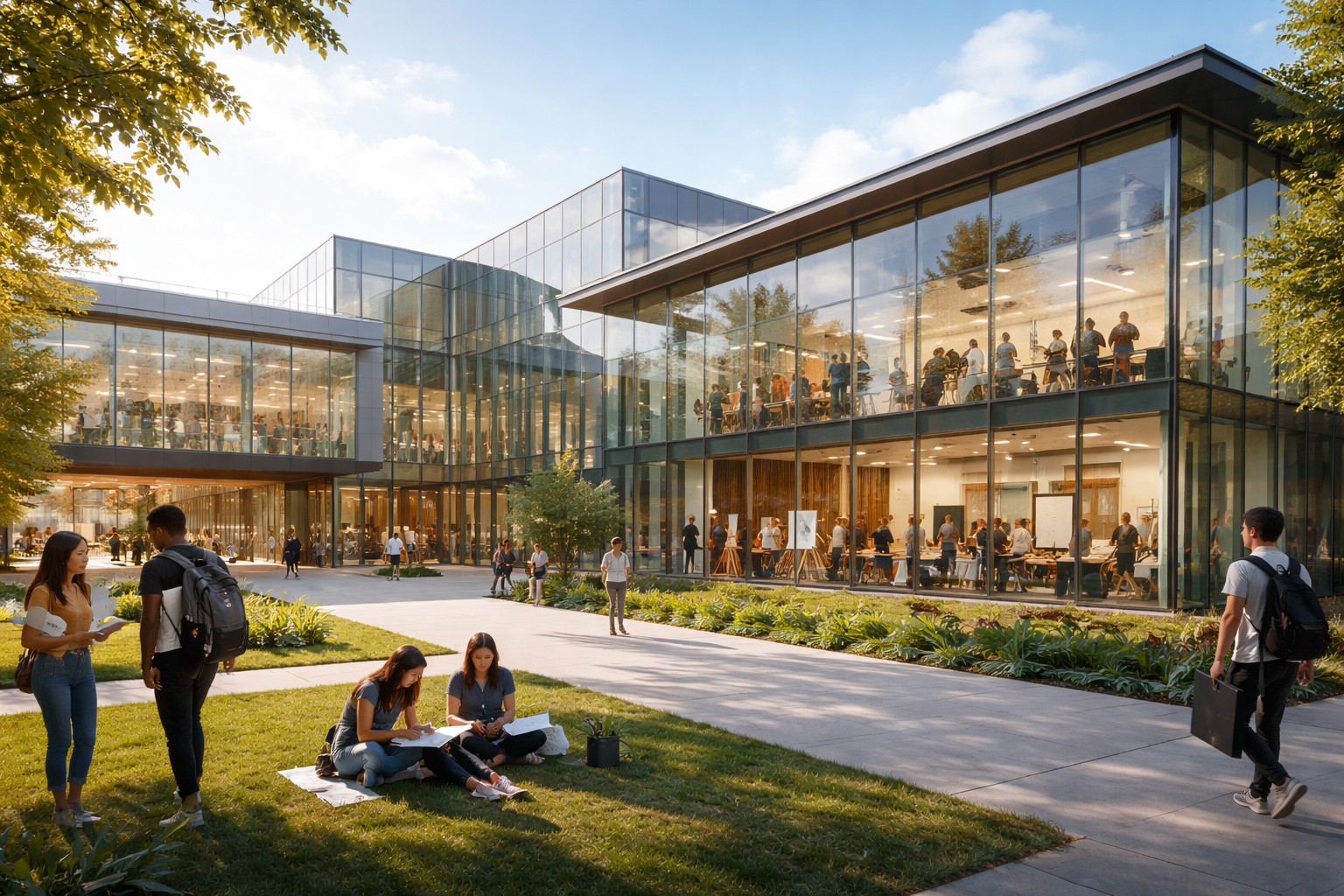
The campus is set up to encourage creativity and working together. Students can use modern tools in studios, workshops, and digital labs to try out different media and techniques. Having access to professional-grade equipment makes learning easier and gets students ready for the standards of the industry.
Creative spaces that are open to everyone help students from different fields get to know each other. This setting encourages working together, sharing ideas, and learning from each other. The campus also has events and exhibits that show off student work and connect the school to the rest of the community.
Expertise and Mentorship from Faculty
Teachers are professionals with a lot of experience who bring real-world knowledge into the classroom. Many teachers still work in creative fields, which helps them give useful advice and insights. Their guidance helps students build both creative confidence and professional discipline.
Teaching methods stress talking, criticism, and thinking about what you’ve learned. Students are told to talk about their work honestly and learn from what others say. This method helps people become more resilient and adaptable, which are important skills for creative jobs.
Life as a student and support services
Life as a student is more than just schoolwork. The school has support services that help students grow as people, do well in school, and be happy. Advising services help students figure out how to get through school and deal with problems that come up.
Career counseling services help students get ready for work by assisting them in understanding what employers expect. Mental health resources and wellness programs make sure that students get the right amount of help while they are in school.
Career Paths and Job Outcomes
People who graduate from the Alberta College of Art and Design work in a lot of different creative fields. Some of them work in advertising agencies, media production companies, and design studios. Some people become independent artists, illustrators, or business owners.
The school puts a lot of emphasis on building a portfolio, which is very important for getting a job. Students get exposure and real-world experience through internships, industry connections, and exhibitions. These chances make it easier for graduates to move into professional roles.
Giving to the creative industries
The creative industries play a big role in the growth of the economy and culture. Designers, artists, and people who work in the media change how people talk to each other, interact with each other, and see the world. The Alberta College of Art and Design and other schools like it help this ecosystem by training skilled workers who bring new ideas and creativity to their fields.
The college’s focus on quality education and preparing students for the workforce means that graduates can make a real difference in the growth of businesses and the arts.
Research, new ideas, and getting involved in the community
The institution’s mission includes research and innovation as important parts. Students and teachers work together on projects that look at social, cultural, and technological issues. These projects often require working with organizations in the community and businesses.
Exhibitions, workshops, and public lectures are all ways to get people involved in their community. These projects make the connection between the institution and the community stronger while also encouraging cultural awareness and creative conversation.
A Global View and Cultural Diversity
Diverse points of view and cultural exchange help creative education. The school is open to students from all kinds of backgrounds, which makes for a rich and welcoming place to learn. Being around different ideas makes you more creative and helps you understand more.
Projects, discussions, and exhibitions all help people work together across borders and learn about other cultures. This global view gets students ready to work in creative fields around the world.
The Future of Creative Learning
Technology, sustainability, and working together across disciplines are all important for the future of creative education. Digital tools, AI, and interactive media are changing the way creative work is made and enjoyed.
The school is still changing its programs to keep up with these changes. It makes sure that students stay competitive and up-to-date in industries that are always evolving by using new technologies and modern methods.
Why this school is important
For creative students, picking the right school is a very important choice. The Alberta College of Art and Design is different from other schools because it has a clear mission, experienced teachers, and a focus on the real world. It gives people a place where their creativity is valued, supported, and turned into professional skills.
Students who study here learn more than just technical skills; they also learn how to be confident, flexible, and think critically. These traits are necessary for long-term success in creative fields.
Questions that are asked a lot
What kind of school is Alberta College of Art and Design?
It is a public college that focuses on the arts, design, and creative education.
Does the school have both undergraduate and graduate programs?
Yes, it offers undergraduate degrees, graduate programs, and options for continuing education.
Do you need a portfolio to get in?
Most programs need a portfolio to see how creative you are and how much potential you have.
What jobs can you get after you graduate?
People who graduate work in creative fields like design, media, advertising, fine arts, and other related fields.
What does the school do to help students do well?
Students can get help with academic advising, career counseling, mentorship, and wellness services.
Final Thoughts
Creative education has a big impact on people and society as a whole. Schools that focus on art and design give students the skills they need to share their ideas, solve problems, and help the economy and culture grow. The Alberta College of Art and Design is still an important part of Canada’s creative education system because of its specialized programs, professional faculty, and welcoming atmosphere.
This detailed guide gives a clear and helpful overview for anyone who wants to learn more about the institution’s value, structure, and effects. The college is still a great option for students who wish to work in creative fields because it is dedicated to providing high-quality education and new ideas.