In today’s competitive business environment, logistics and supply chain management have become critical elements for the success of any organization. Businesses that efficiently manage the flow of goods, services, and information from suppliers to cust
omers gain a competitive advantage, reduce operational costs, and improve overall performance. The role of logistics and supply chain management extends beyond mere transportation or warehousing; it involves strategic planning, coordination, and integration of various business functions to ensure smooth operations.
Understanding Logistics and Supply Chain Management
Logistics and supply chain management refers to the comprehensive planning, implementation, and control of the movement and storage of goods, services, and related information from the point of origin to the point of consumption. While logistics focuses primarily on transportation, warehousing, and delivery, supply chain management encompasses a wider scope, including procurement, production, inventory management, and the coordination between suppliers, manufacturers, and distributors. The objective is to deliver the right product to the right place at the right time, ensuring customer satisfaction while minimizing costs.
The Role of Logistics in Supply Chain Management
Logistics is a vital component of supply chain management. It deals with the efficient transportation, storage, and handling of goods. A well-structured logistics system ensures that products are delivered to customers promptly, warehouses are utilized effectively, and inventory levels are maintained accurately. Modern logistics employs advanced technologies such as transportation management systems, warehouse management systems, and real-time tracking tools to streamline operations and reduce errors.
Core Components of Supply Chain Management
Supply chain management involves several interconnected processes that ensure smooth operations across the entire network. Procurement and sourcing involve selecting reliable suppliers and acquiring raw materials or products necessary for production. Effective inventory management ensures that the right quantity of products is available at the right time, preventing stockouts or excess inventory. Production planning coordinates the manufacturing process to meet customer demands efficiently. Transportation management focuses on the timely movement of goods through appropriate modes such as road, rail, air, or sea. Warehousing involves the safe storage of products while maintaining optimal accessibility. Finally, distribution and order fulfillment ensure that products reach customers accurately and efficiently, enhancing customer satisfaction.
Importance of Logistics and Supply Chain Management
The significance of logistics and supply chain management cannot be overstated. Businesses rely on these systems to reduce costs, improve service quality, and maintain competitiveness. Efficient supply chains enable organizations to respond rapidly to market demands, minimize delays, and prevent disruptions caused by unforeseen events. By optimizing processes, businesses can reduce waste, enhance resource utilization, and strengthen relationships with suppliers and customers alike. Moreover, a robust supply chain promotes sustainability by reducing environmental impact through efficient transportation, energy use, and resource management.
Strategic Planning in Logistics and Supply Chain Management
Strategic planning is an essential aspect of logistics and supply chain management. Organizations must anticipate future demands, identify potential risks, and develop long-term strategies for supply chain operations. This involves forecasting customer needs, analyzing market trends, and evaluating supplier performance. Businesses also need to create contingency plans to mitigate risks associated with supply chain disruptions, such as natural disasters, geopolitical issues, or sudden spikes in demand. Strategic planning ensures that logistics and supply chain processes are flexible, scalable, and capable of adapting to changing market conditions.
Technology and Logistics Management
The integration of technology has revolutionized logistics and supply chain management. Advanced software solutions like enterprise resource planning systems, warehouse management systems, and transportation management systems have improved visibility, coordination, and efficiency. Real-time tracking enables organizations to monitor shipments, manage inventory, and respond to delays or disruptions promptly. Additionally, emerging technologies such as artificial intelligence and machine learning allow businesses to predict demand patterns, optimize routes, and automate repetitive processes. Technology not only enhances operational efficiency but also strengthens decision-making capabilities across the supply chain.
Inventory Management and Its Significance
Inventory management is a critical function within supply chain management. Maintaining an optimal level of inventory ensures that customer demands are met without overstocking or understocking. Overstocking ties up capital and increases storage costs, while understocking can lead to missed sales opportunities and dissatisfied customers. Effective inventory management involves analyzing demand trends, monitoring stock levels, and implementing just-in-time practices to balance supply and demand. By optimizing inventory, businesses can improve cash flow, reduce waste, and enhance overall supply chain efficiency.
Transportation and Distribution in Supply Chain
Transportation is a core aspect of logistics that ensures products move seamlessly from suppliers to consumers. Effective transportation management involves selecting the most appropriate mode of transport, optimizing routes, and monitoring delivery times. Distribution, on the other hand, focuses on ensuring that products reach end-users accurately and efficiently. Coordinating transportation and distribution is crucial to minimizing delays, reducing costs, and enhancing customer satisfaction. Businesses that invest in modern transportation and distribution strategies gain an edge in competitive markets by ensuring reliable and timely delivery.
Warehousing and Storage Practices
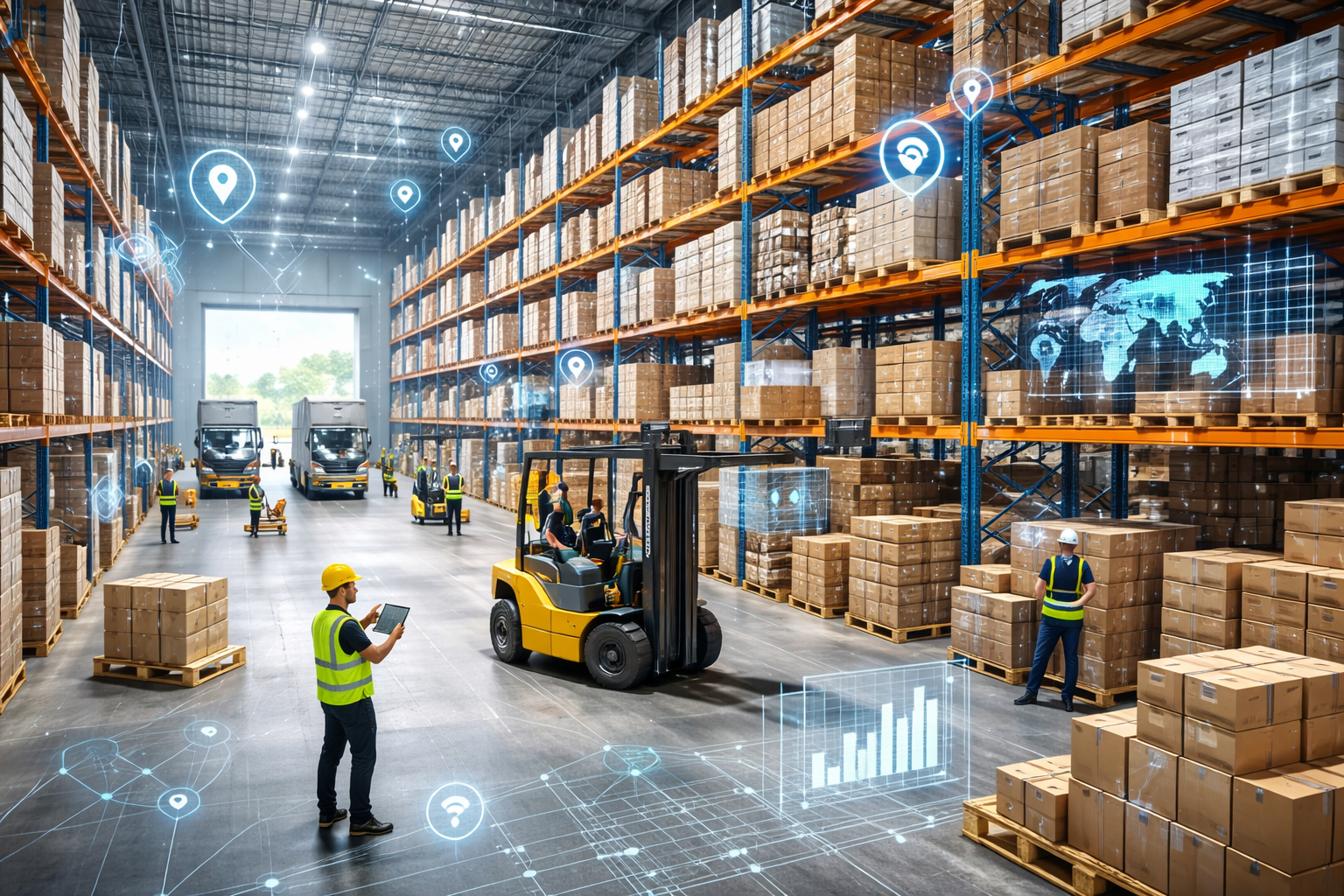
Warehousing is an integral part of logistics, providing a secure and organized space for storing goods. Efficient warehousing practices ensure that products are easily accessible, protected from damage, and managed systematically. Modern warehouses utilize technologies such as automated storage systems, barcode tracking, and real-time inventory monitoring to streamline operations. Proper warehousing reduces operational costs, enhances order fulfillment speed, and improves overall supply chain efficiency.
Challenges in Logistics and Supply Chain Management
Managing logistics and supply chains presents several challenges. Globalization has increased the complexity of managing international suppliers, regulatory compliance, and cross-border transportation. Changing consumer expectations demand faster delivery times and personalized experiences, requiring businesses to maintain agility and adaptability. Integrating modern technologies requires significant investment and employee training, which can pose challenges for organizations. Environmental regulations and sustainability initiatives add additional responsibilities to supply chain operations. Furthermore, unforeseen disruptions such as natural disasters, pandemics, or geopolitical issues can significantly impact supply chain performance.
Risk Management in Supply Chain
Risk management is an essential aspect of logistics and supply chain management. Identifying potential risks and developing strategies to mitigate them helps organizations maintain continuity and minimize disruptions. Businesses can adopt measures such as diversifying suppliers, maintaining buffer inventory, implementing advanced monitoring systems, and establishing contingency plans. Effective risk management ensures that supply chains remain resilient, allowing organizations to respond quickly to unexpected events while maintaining customer satisfaction and operational efficiency.
Trends Shaping Modern Supply Chain Management
The field of logistics and supply chain management is constantly evolving. Automation and robotics are transforming warehouses and transportation operations by reducing manual labor and increasing efficiency. Artificial intelligence and machine learning enable predictive analytics, allowing businesses to forecast demand, optimize inventory, and enhance decision-making. Sustainability has become a critical focus, with companies adopting eco-friendly practices, reducing carbon footprints, and implementing green logistics solutions. Blockchain technology is being utilized to improve transparency, traceability, and security in supply chains. Additionally, omni-channel supply chains are becoming increasingly important, integrating online and offline channels to provide seamless customer experiences.
Benefits of Efficient Logistics and Supply Chain Management
Effective logistics and supply chain management offers numerous benefits to businesses. Cost reduction is achieved through optimized operations, reduced waste, and efficient resource utilization. Timely delivery and accurate order fulfillment enhance customer satisfaction and loyalty. Efficient supply chains improve overall operational efficiency, allowing organizations to respond quickly to market changes. Inventory control is strengthened, preventing stockouts or overstocking. Ultimately, a well-managed supply chain contributes to increased profitability, competitive advantage, and long-term business success.
Best Practices for Logistics and Supply Chain Management
Businesses aiming for excellence in logistics and supply chain management must adopt best practices. Investing in technology for real-time monitoring and analytics ensures transparency and accuracy. Building strong relationships with suppliers and partners fosters reliability and flexibility. Continuous performance monitoring allows organizations to identify areas for improvement and implement corrective measures. Employee training and development ensure that staff members are equipped to handle complex logistics operations efficiently. Finally, focusing on sustainability promotes environmental responsibility while enhancing brand reputation and compliance with regulations.
Future of Logistics and Supply Chain Management
The future of logistics and supply chain management is closely linked to technological innovation and sustainability. Emerging trends such as autonomous vehicles, drone deliveries, and smart warehouses are set to revolutionize the industry. Artificial intelligence will continue to enhance predictive analytics, demand forecasting, and process automation. Companies will increasingly focus on creating resilient, flexible, and environmentally responsible supply chains to meet evolving consumer expectations and regulatory requirements. The integration of digital technologies and sustainable practices will define the next era of logistics and supply chain management, enabling businesses to achieve higher efficiency, agility, and competitiveness.
FAQs About Logistics and Supply Chain Management
What is the difference between logistics and supply chain management?
Logistics focuses on the transportation, warehousing, and delivery of goods, while supply chain management encompasses the broader process of planning, sourcing, producing, and delivering products, including the flow of information and finances.
Why is supply chain management important for businesses?
Supply chain management ensures operational efficiency, reduces costs, improves customer satisfaction, and provides a competitive advantage by coordinating the movement of goods, services, and information effectively.
What are the key challenges in logistics and supply chain management?
Challenges include globalization, changing customer expectations, technology adoption, regulatory compliance, environmental sustainability, and unforeseen disruptions such as natural disasters or pandemics.
How can businesses improve their logistics and supply chain operations?
Businesses can improve operations by integrating advanced technologies, optimizing inventory management, developing strong supplier relationships, adopting sustainable practices, and implementing risk management strategies.
What technologies are used in modern supply chain management?
Technologies include enterprise resource planning (ERP) systems, warehouse management systems (WMS), transportation management systems (TMS), artificial intelligence, machine learning, predictive analytics, and blockchain for transparency and traceability.
How does effective logistics benefit customer satisfaction?
Efficient logistics ensures timely delivery, accurate order fulfillment, and reliable service, all of which contribute to enhanced customer satisfaction and loyalty.
What role does sustainability play in supply chain management?
Sustainability reduces environmental impact through eco-friendly transportation, packaging, and energy-efficient operations, while also improving brand reputation and compliance with regulations.
Conclusion
In conclusion, logistics and supply chain management is the backbone of modern business operations. Organizations that effectively plan, coordinate, and optimize their supply chains can reduce costs, improve efficiency, and deliver superior customer experiences. By embracing technology, adopting sustainable practices, and continuously monitoring performance, businesses can create resilient and agile supply chains that thrive in an ever-changing global market. Mastery of logistics and supply chain management not only ensures operational success but also strengthens competitive advantage, enabling companies to meet evolving customer expectations and achieve long-term growth.