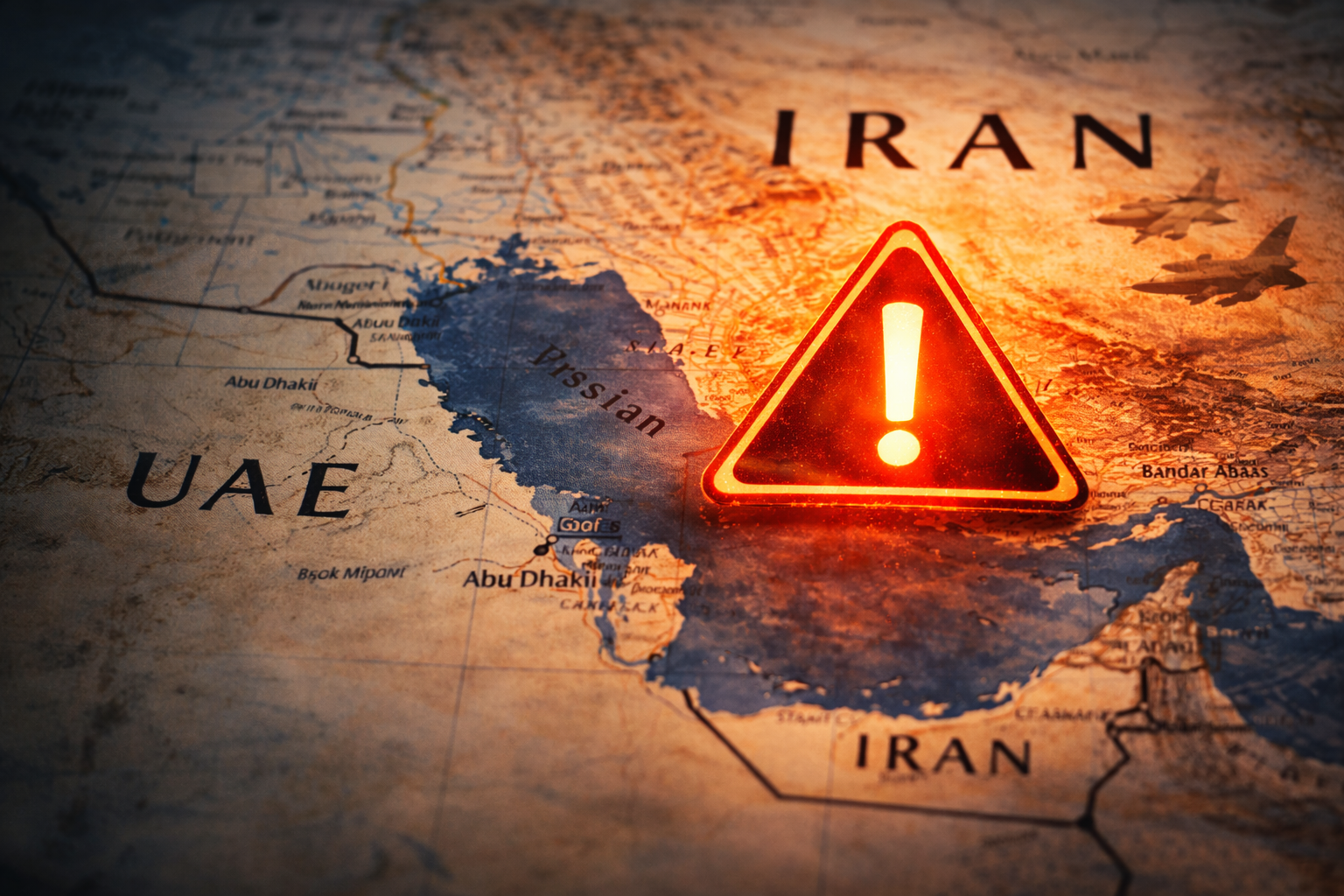
The recent rise in violence in the Middle East has got a lot of attention, especially after the UAE condemned Iranian attacks with its strongest diplomatic response yet. This condemnation shows that people are more worried about the stability of the region, the safety of international trade routes, and the overall balance of power in the Gulf. The United Arab Emirates has made its position clear and strong, showing that it is committed to international norms and its own strategic priorities. This is important because peace in the region is still facing many difficult problems.
In this in-depth article, we will look at the history of the conflict, the UAE’s position, and how this response affects politics, economics, and security alliances in the region.
Getting the Big Picture: Iran’s Growing Military Actions
In the last few years, Iran’s military actions have increased in the Middle East. These include missile strikes, drone attacks, and naval incursions near important sea lanes. These actions have made Gulf countries, especially those with strong economic and security ties to Western powers, very worried. Iran’s actions are based on a mix of defensive moves, predictions about its influence in the region, and responses to tensions with world powers.
These military moves have had effects that go beyond Iran’s borders. Countries like Saudi Arabia, Kuwait, Bahrain, and especially the United Arab Emirates have seen actions that threaten stability and make international investors and regional partners unsure.
The UAE’s Reason for Condemning Iranian Attacks
There are a number of strategic reasons why the UAE chose to make a formal condemnation. First, the UAE is dedicated to keeping its citizens and residents safe and protecting its national sovereignty. Second, the country is a global business hub where security and stability are important for tourism, business confidence, and foreign investment. Third, the UAE follows an international framework that does not support one-sided military aggression.
The UAE’s official statement clearly said that it strongly condemns Iranian attacks and calls for an end to these hostilities right away. This kind of talk shows that the UAE sees these kinds of military actions as illegal and a direct threat to peace in the area.
The UAE and Iran’s Past Relationship
To fully understand how important this condemnation is, we need to look at the history of UAE-Iran relations. The two countries have had a complicated relationship, in part because they can’t agree on who should control some islands in the Persian Gulf. These territorial disputes have been going on for decades and have sometimes led to diplomatic tensions.
Also, the two countries’ interactions have been shaped by their different ideologies and alliances. The UAE wants to have strong ties with Western countries, especially the US and European countries. Iran, on the other hand, wants to be a counterweight to Western influence in the region. This has often caused the two countries to disagree on security policy, energy management, and diplomatic strategy.
Political Effects on the Region
The UAE’s public condemnation of Iran’s military actions has caused a stir in the Gulf Cooperation Council (GCC). The states next door see this condemnation as a sign of shared worries about Iran’s aggressiveness and the possible changes it could make to the balance of power in the region.
The UAE’s response also gives it more weight in international diplomatic circles, showing that it won’t stay quiet when it sees actions that it thinks threaten peace and stability. The UAE’s condemnation of Iranian attacks sends a strong message that respect for sovereignty and diplomatic solutions should be the main ideas behind international relations in the region.
What this means for the UAE and Gulf States’ economies
The Middle East is one of the most important regions in the world for business. A lot of the world’s oil exports pass through the Strait of Hormuz, which is an important waterway for shipping. Any military buildup near these routes could cut off energy supplies, change shipping schedules around the world, and make investors less confident.
The UAE is condemning Iranian attacks, but it is also trying to reassure international markets that it is still committed to a stable economy. This reassurance is very important for industries like tourism, international trade, real estate, and foreign direct investment. The UAE’s economy is closely linked to global markets, and how people see security in the region is important for keeping the economy going.
Posture for Security and Defence
The UAE’s condemnation is in line with its ongoing efforts to improve its defences. The country has invested in advanced technology, missile defence systems, surveillance networks, and cybersecurity infrastructure to defend against evolving threats. There have also been more collaborations with allied countries, such as joint training exercises and sharing of information.
These actions are not just for show; they show that people understand that modern security needs to be prepared for many things at once. The UAE wants to stop more attacks and create a stable environment for its citizens and global partners by condemning Iranian attacks and making its defences stronger.
Global Alliances and Diplomatic Strategy
The UAE’s move shows that it is a key mediator in international affairs. The UAE continues to stress the need for negotiation and peaceful resolution, even though it condemns military aggression. This method fits with its long-standing foreign policy, which favours talking things out instead of fighting.
Western countries have welcomed the UAE’s condemnation and have said again that they support peace in the region and international law. The UAE is still working with groups like the United Nations to find ways to lower tensions and stop them from getting worse in the future.
Effect on Public Opinion and National Unity
The UAE leadership’s response has strengthened national unity and public trust at home. Media coverage in the UAE shows how the government is taking action to protect the country’s integrity and make sure its people have a safe future. People who live and work in the country generally see this strong diplomatic stance as a responsible way for the government to do its job.
People talk a lot about how important it is for regions to be stable to protect their safety, economic well-being, and standing in the world. There is a lot of support for the government’s diplomatic position in the news, on TV, and on social media.
The Function of International Law
International law provides clear rules for determining whether military actions and diplomatic responses are legal. By condemning Iranian attacks, the UAE upholds these laws, emphasizing that countries should settle disputes peacefully and avoid acts of aggression that threaten civilian lives and national borders.
The UAE’s stance makes other countries think about how following international law can help keep things stable in the long run. This position also opposes actions that use force instead of diplomacy, which supports the idea that law should govern how states act instead of violence or one-sided decisions.
The Bigger Picture of Security in the Middle East
There are many things that affect security in the Middle East, such as treaties, defence alliances, economic ties, and changes in political leadership. The UAE’s condemnation of Iran’s actions is a big deal in this complicated situation. It brings up bigger questions about power, influence, and working together.
There are also problems in the region, like the wars in Syria, Yemen, and Iraq, that make it even more important to be clear about diplomacy. The UAE’s position sends a clear message: to keep the peace, everyone must be held accountable and work together to find solutions through negotiation instead of violence.
Possible diplomatic solutions and efforts to make peace
Even though there was a strong condemnation, the UAE has stressed the importance of diplomacy. To help bring about peace, people often work with international organisations, start talks between two countries, and take part in multilateral forums where issues can be talked about in a positive way.
The UAE still backs efforts to ease tensions, such as building trust and talking about not attacking each other. The UAE wants to use careful diplomacy to open up channels that will lead to less violence and strengthen commitments to living peacefully together.
How the UAE Helps Keep the Region Stable
The UAE not only condemns Iranian attacks, but it also takes part in programs that promote education, business cooperation, and cultural exchange in the Middle East. It has led humanitarian efforts, development projects, and partnerships that try to bring people from different countries together. These efforts show that the UAE’s commitment to peace goes beyond stopping violence. It also includes building lasting relationships that improve societies and encourage people to work together.
What Will Happen Next?
The UAE’s position suggests that it will continue to be a responsible leader in the region in the future. Its condemnation of Iranian attacks is part of a bigger plan that includes both diplomatic outreach and protective measures. The UAE will probably keep strong alliances, support international law, and work with others to deal with new threats.
The future is still up in the air, but one thing is certain: the UAE will keep pushing for stability, backing peaceful ways to settle disagreements, and helping to create a regional environment where security and prosperity go hand in hand.
Questions that are often asked
What is the main reason the UAE doesn’t like Iranian attacks?
The UAE mostly condemns Iranian attacks to protect its own sovereignty, keep the region safe, and keep the peace. It sees these kinds of actions as breaking international law and putting the Gulf region’s stability at risk.
What effect does this condemnation have on diplomacy in the area?
This condemnation strengthens the UAE’s diplomatic position, puts it in line with global partners who want peace, and puts pressure on Iran to rethink its aggressive military actions. It also encourages Gulf countries to work together on collective security.
What are the economic risks that come with Iran’s military actions?
Iran’s military actions put global energy routes, international shipping, and investor confidence in the region at risk. The UAE’s economy, which relies on trade, tourism, and foreign investment, does better when the country is safe and stable.
Is the UAE looking for a fight?
No. The UAE strongly condemns the attacks, but it puts more emphasis on diplomatic efforts and peaceful solutions. The UAE has improved its defenses to deter threats rather than provoke fights.
How could this affect alliances around the world?
The UAE’s stance could make its relationships with Western countries and international groups that value peace and stability stronger. It could also lead to more cooperation among the Gulf Cooperation Council members to deal with security issues that affect them all.