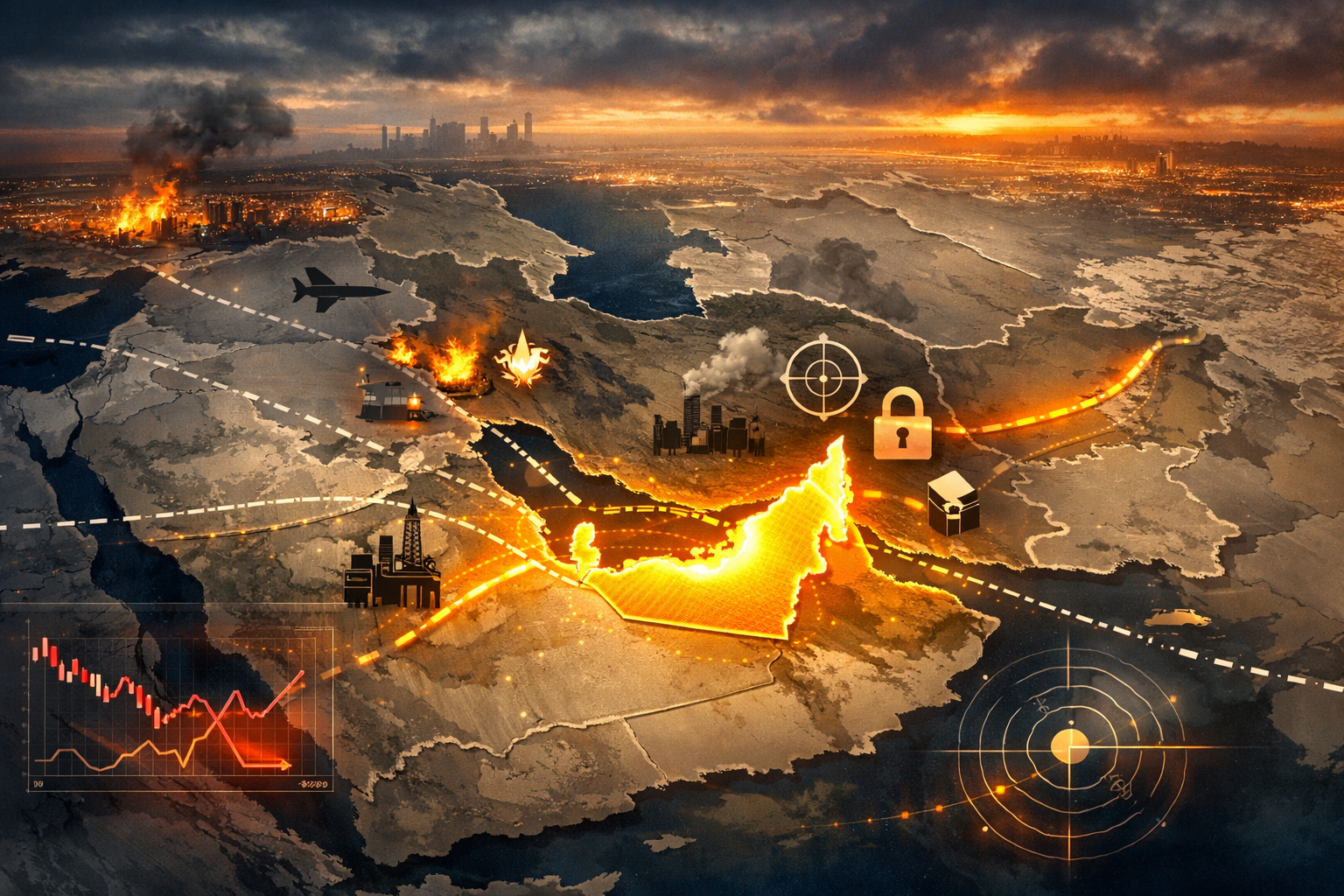
The Middle East has long been a region of immense geopolitical significance. Its vast energy resources, critical trade routes, and strategic location make it central to global economic and political stability. Among the nations in the Gulf region, the United Arab Emirates stands out for its economic resilience, political stability, and proactive diplomacy.
However, in recent times, the emergence of tensions and uncertainties in the broader Middle East has prompted analysts to issue a UAE regional crisis warning.
What Is a UAE Regional Crisis Warning?
A UAE regional crisis warning is not a prediction of imminent conflict but rather an alert indicating rising geopolitical, economic, or security risks in the Gulf region that could affect both local stability and global markets.
Understanding these warnings is crucial for investors, policymakers, and citizens, as they provide insights into potential disruptions in trade, energy markets, and diplomatic relations.
Understanding Regional Crises in the Middle East
Definition of Regional Crises
A regional crisis refers to a situation where multiple countries in a geographic area experience heightened political, economic, or military tensions.
Historical Perspective of Middle East Crises
Historically, the Middle East has faced numerous crises, each with global implications due to the region’s influence on energy supply, trade routes, and international diplomacy.
Why the UAE Is Affected
The UAE has successfully maintained a reputation for stability and safety. However, the interconnected nature of the Middle East means that any regional crisis could have direct and indirect consequences for the UAE’s security, economy, and international standing.
Geopolitical Factors Behind the UAE Regional Crisis Warning
Regional Rivalries and Tensions
One of the primary factors is the rivalry between influential countries within the Middle East. Competing political ideologies, territorial disputes, and economic competition often fuel tensions.
Security Concerns from Neighboring Conflicts
Conflicts in Yemen and Syria indirectly affect the UAE by increasing the risk of spillover effects, such as terrorism, refugee flows, and disruption of trade routes.
UAE’s Strategic Position in the Gulf
Located near key maritime routes, the UAE plays a vital role in global shipping and energy transport. Any threat to this stability can amplify concerns reflected in the UAE regional crisis warning.
Influence of Global Powers
The involvement of countries like the United States, Russia, and China in Middle Eastern affairs adds layers of complexity to the regional security environment.
Economic Implications of a Regional Crisis
Impact on Investor Confidence
Investor confidence is one of the first areas affected by regional instability. International investors seek predictable environments, and any perception of heightened risk can slow investment inflows.
Tourism and Travel Challenges
Dubai and Abu Dhabi are among the world’s top tourist destinations. Any rise in perceived risk could reduce tourist arrivals, affecting hotels, entertainment, and retail sectors.
Trade and Shipping Routes
Global trade routes passing through the Gulf are highly sensitive to instability. Disruptions can increase transportation costs, delay shipments, and impact industries worldwide.
Energy Market Volatility
The Gulf is a major supplier of oil and natural gas. Any threats to production or shipping can trigger price fluctuations globally.
Economic Diversification as a Mitigation Strategy
The UAE has invested in technology, renewable energy, logistics, and finance to reduce reliance on hydrocarbons, providing resilience against potential shocks.
Diplomatic and Political Dimensions
UAE’s Role in Regional Diplomacy
The UAE has consistently engaged in diplomatic efforts to maintain regional stability, strengthen partnerships, and mediate disputes.
Managing Shifting Alliances
Regional politics remain complex due to shifting alliances and differing national interests. The UAE balances relationships with major powers while fostering collaboration with neighboring states.
Economic Security Through Diplomacy
Effective diplomacy also reinforces economic security by ensuring peaceful trade and investment flows.
Security Concerns and Military Readiness
Military Investments and Preparedness
The UAE has invested heavily in modern defense systems, training programs, and strategic partnerships to mitigate risks.
Threats Highlighted by Crisis Warnings
A UAE regional crisis warning may indicate increased military activities in neighboring regions, intelligence reports of emerging threats, or the potential for conflicts to involve the UAE indirectly.
Cybersecurity and Modern Threats
Cyber attacks on infrastructure, financial systems, or government operations are increasingly part of crisis management and national security planning.
Social and Humanitarian Dimensions
Refugee Flows and Regional Conflicts
Regional crises have profound social and humanitarian impacts, including refugee movements and strained public services.
UAE’s Humanitarian Engagement
The UAE has historically provided humanitarian aid and supported regional relief efforts, reinforcing its role as a stabilizing force.
Global Implications of UAE Regional Instability
Effect on Energy Markets
Disruptions in Gulf oil and gas production can trigger fluctuations in global prices, affecting industries, transportation costs, and household energy bills.
International Trade Considerations
The UAE is a major hub for shipping and logistics. Instability could delay shipments, increase insurance premiums, and affect supply chains worldwide.
Diplomatic and Economic Partnerships
Countries that rely on the UAE for trade, investment, or diplomatic support must adjust strategies if tensions rise.
Strategies for Crisis Prevention
Economic Diversification
Reducing dependence on oil and investing in technology, logistics, and renewable energy ensures resilience against regional instability.
Proactive Diplomacy
Active participation in regional forums, mediation of disputes, and communication with global partners reduce escalation risks.
Security Planning and Intelligence Sharing
Coordinated responses, advanced technology, and joint exercises enhance preparedness for potential threats.
Future Outlook for the Gulf Region
Economic Cooperation and Shared Interests
Investments in infrastructure, technology, and renewable energy foster collaboration and reduce incentives for conflict.
Diplomatic Networks and Conflict Resolution
Strong partnerships provide channels for dialogue and negotiation, helping prevent crises from escalating.
Maintaining Stability Despite Tensions
While regional tensions persist, proactive strategies by the UAE and its allies create optimism for continued stability and sustainable development.
Frequently Asked Questions (FAQs)
What is the meaning of a UAE regional crisis warning?
A UAE regional crisis warning is an alert issued by analysts and policymakers indicating rising geopolitical, economic, or security risks in the Gulf region. It highlights potential threats to stability that may impact both the UAE and neighboring countries.
Why is the UAE considered crucial for regional stability?
The UAE is strategically located, economically strong, and diplomatically active. Its role in trade, energy, and regional diplomacy makes it a stabilizing force in the Middle East.
How can regional instability affect the global economy?
Instability in the Gulf can impact oil prices, disrupt trade routes, reduce investor confidence, and affect industries worldwide. The UAE’s position as a trade and energy hub amplifies these effects.
What measures does the UAE take to prevent crises?
The UAE focuses on diplomacy, economic diversification, security cooperation, and humanitarian support. These measures aim to reduce risks and maintain regional and global stability.
Is a regional crisis unavoidable?
No. While tensions exist, proactive diplomacy, strategic planning, and economic cooperation significantly reduce the likelihood of a large-scale crisis in the Gulf.
Conclusion
The UAE plays a pivotal role in the Gulf region, serving as an economic, diplomatic, and security anchor. While a UAE regional crisis warning indicates growing risks, it also provides an opportunity for governments, businesses, and international organizations to take preventive measures.
Economic diversification, proactive diplomacy, and advanced security measures have strengthened the UAE’s resilience to regional instability. By continuing these efforts, the country can maintain stability, protect economic interests, and ensure that potential regional crises do not escalate into broader conflicts.
Understanding and acting on such warnings allows stakeholders to prepare effectively while fostering a climate of cooperation, stability, and sustainable growth in the Middle East and beyond.