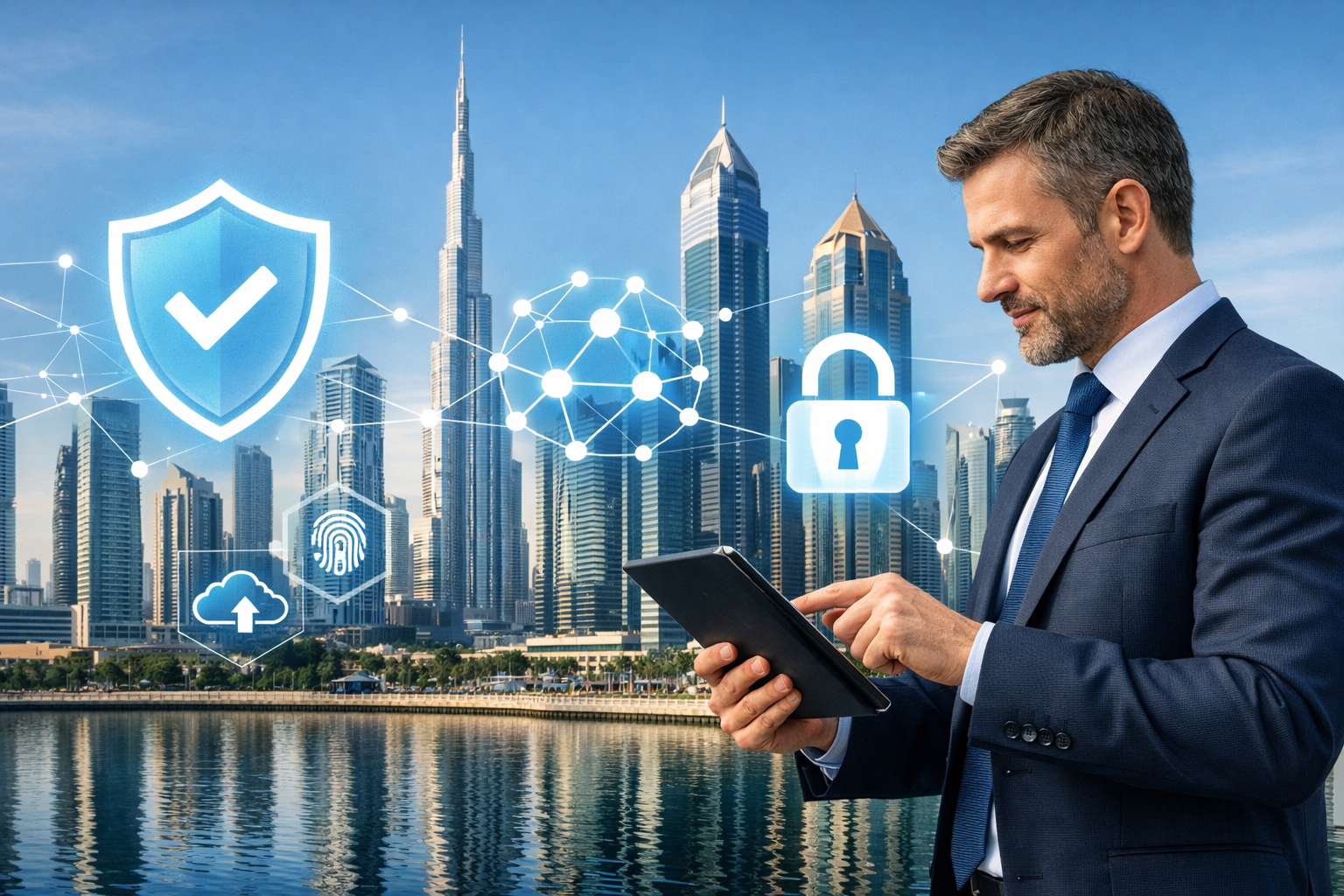
There are many great chances to start and run a business in the United Arab Emirates (UAE). The UAE is a top choice for entrepreneurs from all over the world because it has a good location, a growing economy, and rules that are good for investors. But in the UAE, success isn’t just about opportunities; it’s also about making sure that businesses are safe. This means protecting the financial, operational, digital, and legal parts of your business. Businesses could have problems with compliance, lose money, damage their reputation, or have their operations disrupted if they don’t take the right safety steps.
This complete guide will cover all the important parts of UAE business safety and give useful tips for both new and old businesses. The material is organised so that you can learn things that will help your business grow safely in the UAE.
How to Keep Your Business Safe in the UAE
UAE business safety is a broad term that includes many different ways to keep business operations, assets, and people safe. Safety isn’t just about keeping people safe; it also means following the law, keeping your finances stable, protecting your computer systems, and managing operational risks. Business owners need to know that the UAE has strict rules and that not following them can lead to fines or even closing down.
Making sure that businesses in the UAE are safe means making people aware of risks, taking steps to avoid them, and keeping up with changes in the law and the market. Companies that put safety first can earn the trust of customers, partners, and the government while staying away from unnecessary risks.
Following the law is the most important thing for business safety
Following the law is one of the most important things you can do to keep your business safe in the UAE. The UAE government makes sure that rules are followed for licensing, labour laws, health and safety, and corporate governance. Following these rules will help your business run smoothly and keep you out of trouble with the law.
Every business in the UAE must have a business licence. You must register with the Department of Economic Development (DED) or the appropriate free zone authority, whether you are doing business in a free zone or on the mainland. Licensing not only makes your business legal, but it also keeps it safe from fines and other penalties.
Companies in the UAE must follow employment laws that require them to give workers fair wages, safe working conditions, and proper contracts. Following labour laws is very important for keeping workers safe and avoiding arguments. Also, businesses need to make sure they have clear contracts with their suppliers, partners, and customers. Well-written contracts spell out what each party is responsible for, avoid confusion, and keep businesses safe from lawsuits.
Financial security means keeping business assets safe
Managing money is very important for the safety of businesses in the UAE. Safe financial operations help keep trust with stakeholders, stop fraud, and keep money flowing. To protect their money and make transactions go more smoothly, businesses should build strong relationships with banks they can trust.
Another important part of protecting your money is having insurance. Businesses in the UAE can choose from a number of insurance policies, including property insurance, liability coverage, and professional indemnity. These policies protect businesses from losing money unexpectedly because of accidents, lawsuits, or damage to property.
Keeping accurate records of your finances is just as important. Not only do accounting and auditing practices help keep track of how well a business is doing, but they also make sure that the business follows UAE laws. Regular audits, good record-keeping, and clear reporting all help keep businesses safe.
Cybersecurity: Keeping Digital Assets Safe
As businesses quickly go digital, cybersecurity has become a very important part of keeping UAE businesses safe. Cyberattacks, data breaches, and ransomware are all threats to businesses. Keeping digital assets safe keeps private information private and keeps business running.
Establishing a secure IT infrastructure is essential. Firewalls, encrypted communication channels, and regular software updates all help to make systems less vulnerable. Training employees is just as important because human mistakes are a big reason why cybersecurity breaches happen. Employees should be taught how to manage passwords, avoid phishing attacks, and stay safe online.
Businesses in the UAE must handle personal and sensitive information in a responsible way, according to data protection laws. Following the UAE Data Protection Law means keeping data safe, getting the right permission to collect it, and controlling who can access it. If a business doesn’t take cybersecurity seriously, it could hurt its reputation, cost it money, and even get in trouble with the law.
Operational safety means making sure that the business runs smoothly
Operational safety is about keeping things running smoothly, avoiding accidents, and protecting company property. This is particularly significant for industries such as manufacturing, logistics, and construction.
Workplace safety protocols should be implemented to minimise accidents and injuries. Employees need to learn how to follow safety rules, wear safety gear, and act quickly in an emergency. Regular checks and audits help find problems before they get worse.
Businesses also need to have plans for when things go wrong. Contingency strategies for natural disasters, fires, or technical failures ensure that operations continue without major disruptions. Backup systems, emergency contacts, and evacuation plans are integral parts of operational safety.
Supply chain safety also makes sure that deliveries are reliable and that goods are safe. Checking out suppliers, keeping an eye on logistics, and keeping detailed records all lower the chance of losing or being late. Operational safety is an ongoing process that needs constant attention, planning, and updates.
Cultural and Social Safety in the UAE
One thing that makes business safety in the UAE different is knowing about the culture and social norms there. Businesses that follow traditions, laws, and ethical standards improve their reputation and lower their legal and social risks.
When talking to people, advertising, or working with employees, it’s important to be aware of different cultures. Respecting religious practices, national holidays, and gender norms makes it easier for businesses to run smoothly. Building strong relationships with the community through ethical business practices will help you do better in the UAE market.
Promoting a healthy and welcoming workplace is also a part of social safety. Taking care of employees’ well-being, listening to their concerns, and encouraging teamwork all help to make the company more stable and lower the risks that come from within.
Using technology to keep businesses safe
Keeping businesses safe in the UAE depends a lot on technology. Digital tools make things run more smoothly, help with compliance, and protect assets. Businesses can easily keep track of their money, inventory, and employees with Enterprise Resource Planning (ERP) systems. Cloud computing keeps businesses running during emergencies, and cybersecurity software keeps digital assets safe.
Putting money into technology not only lowers risks but also boosts productivity. Automating common tasks reduces the chance of human error, and data analytics help companies make smart choices and spot possible threats early. In the UAE, businesses need to be careful with how they use technology to stay safe.
Safety and health of employees
Employees are the most important part of any business, so making sure they are safe is the most important thing for UAE business safety. Safe work environments, fair rules, and health programs lower risks and boost productivity.
Employees can act responsibly when they learn about safety, following the rules, and how to respond in an emergency. Programs for mental and physical health help their overall health, which means fewer problems with operations. A clear feedback system encourages employees to report safety issues right away, which stops problems before they get worse.
A good safety culture not only keeps workers safe, but it also strengthens the company’s reputation and makes it run more smoothly. Companies that care about their employees’ safety are more likely to get and keep the best workers.
Business Safety in the UAE for Small and Medium-Sized Businesses
Startups and small to medium-sized businesses (SMEs) have to deal with special problems when it comes to keeping their businesses safe. You need to plan carefully because you have limited resources, are growing quickly, and the rules are hard to follow.
For new businesses, it’s important to set up clear processes, keep good records, and take basic safety precautions. Following the rules for free zones or the mainland keeps you from getting into legal trouble. Risk assessments should be done on a regular basis to find weaknesses and lower the risk of possible threats.
Even small businesses need to spend money on cybersecurity, training their employees, and protecting their money. Taking care of business safety in the UAE early on lays the groundwork for growth, credibility, and operational success.
Problems that businesses in the UAE often face when it comes to safety
Businesses in the UAE still have problems even though they have taken steps to make things safer. Changes in the law mean that policies and procedures need to be updated all the time. Cybersecurity threats are always changing, so you need to take steps to protect yourself. If safety rules aren’t followed, hazards at work, especially in high-risk fields, can cause accidents. Misunderstandings about culture can hurt your reputation or cause problems with the law.
To deal with these problems, we need to be careful, keep learning, and put money into both people and technology. Businesses that know what risks are coming can deal with problems and keep growing and staying stable over time.
Best Ways to Keep UAE Businesses Safe
To keep businesses in the UAE safe, you need to take a lot of different steps. Businesses should look over their policies and make changes to them on a regular basis to make sure they are in line with the most recent laws and rules. You should do financial audits and risk assessments on a regular basis to find any weaknesses that might be there. Putting money into technology and training employees makes operations more resilient and improves cybersecurity.
Keeping track of all processes, contracts, and operational rules makes sure that everyone is clear and responsible. Businesses should also get to know lawyers, government officials, and trade groups so they can stay up to date on changes and best practices. The most important parts of good business safety plans are consistency, vigilance, and proactive management.
Frequently Asked Questions (FAQs)
Q1: Why is it important for businesses in the UAE to be safe?
A1: To protect your financial, legal, operational, and digital assets, business safety in the UAE is very important. It makes sure that local laws are followed, builds trust with stakeholders, and keeps business operations from being interrupted by possible risks.
Q2: What are the most important legal rules for keeping businesses safe in the UAE?
A2: Businesses need to get the right licenses, follow labour laws, write clear contracts, and follow all business and corporate rules. Following these rules lowers the chance of getting fines, going to court, or having problems with business operations.
Q3: What can companies do to make cybersecurity better in the UAE?
A3: To protect business data and operations, it is important to set up a secure IT infrastructure, train employees, put in place data protection measures, and use reliable cybersecurity software.
Q4: What steps do UAE businesses take to make sure their operations are safe?
A4: Operational safety includes safety rules at work, being ready for disasters, managing the supply chain, and regular audits to find hazards and lower risks.
Q5: How can new businesses in the UAE keep their businesses safe with few resources?
A5: Startups should concentrate on clear documentation, following the rules, basic cybersecurity, training employees, and figuring out what risks they face. Putting safety measures in place early on is a good way to set the stage for growth.
Q6: How often should companies check their safety measures?
A6: You should review safety measures at least once a year and whenever there are changes to the rules, the way things work, or the technology. Businesses that do regular reviews stay proactive and follow the rules.
Q7: Does the safety of businesses in the UAE also include the health of their employees?
A7: Yes, putting the safety, health, and well-being of employees first is an important part of keeping the whole business safe. A safe and healthy workforce is important for smooth operations and long-term success.
In conclusion
prioritising UAE businesses’ safety is essential for long-term success. A comprehensive approach protects businesses from financial, operational, and reputational risks. This includes following the law, keeping employees safe, and making sure that operations run smoothly. Businesses can operate confidently and do well in the UAE’s competitive environment by taking proactive steps, using technology, and keeping up with the rules.