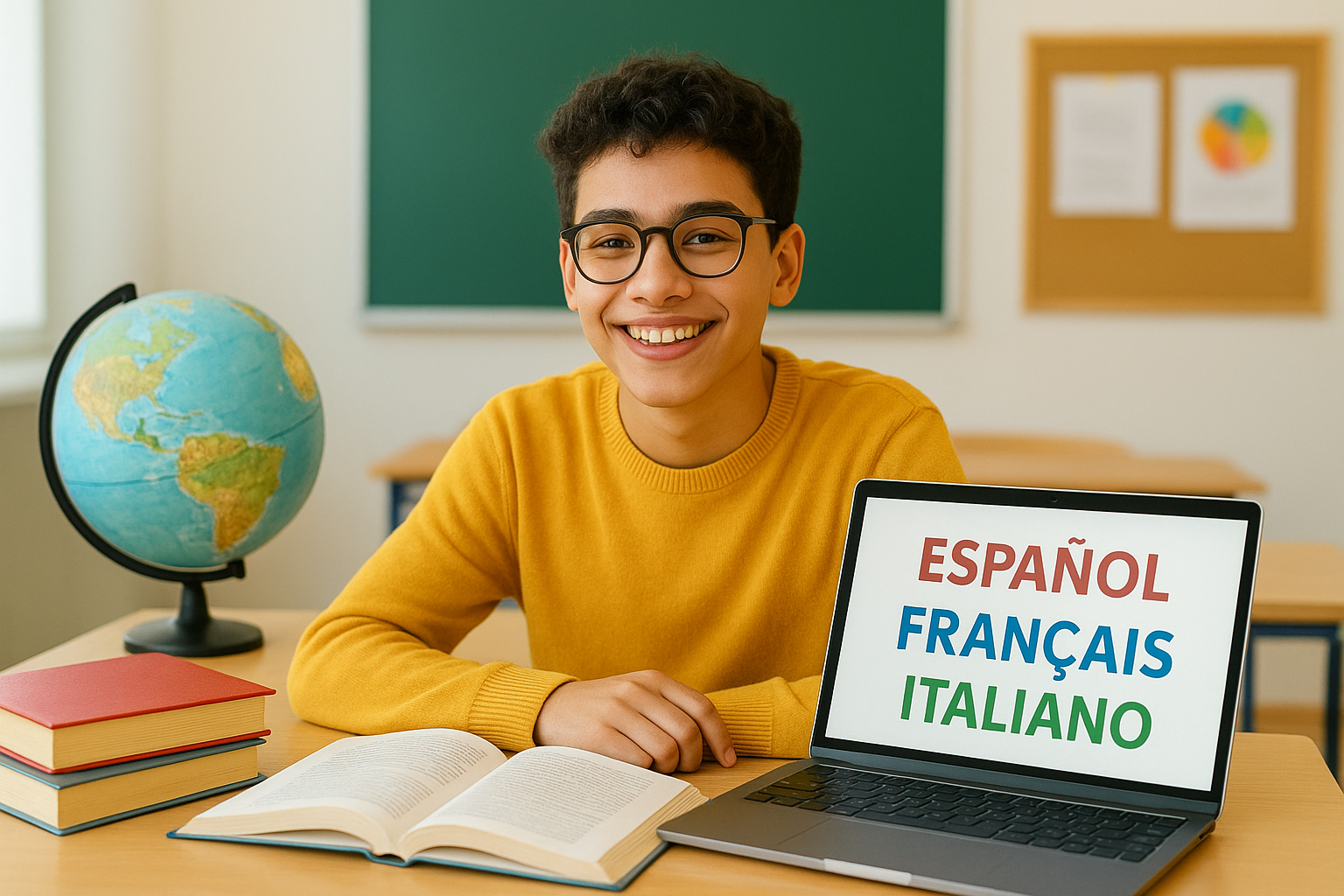
When people want to learn a new language, the first thing they usually think is, “What’s the easiest language to learn?” “Your native language, motivation, and learning style are just a few of the things that will affect the answer. However, some languages are known to be easier to learn, especially for people who speak English.
This complete guide will look at the easiest language to learn, what makes a language easy or hard, and which ones you can start mastering right away.
Why do people want to know what the easiest language to learn is?
The world is getting more connected, and knowing more than one language can help you travel, learn about new cultures, and grow in your career. But beginning with a language that’s easier to learn keeps you motivated and helps you make progress more quickly.
That’s why so many people who want to learn a language look for the easiest one to learn. They want to start off on the right foot, not the wrong one.
Languages that are similar to English, have simple grammar, and are spoken by a lot of people are often the easiest for beginners.
Things That Help You Learn a Language
Before we get to the list of easy languages, let’s talk about what makes a language easy to learn:
Words that are similar
It’s easier to understand languages that have a lot of words in common with English, like French or Spanish.
Basic Rules of Grammar
Languages that don’t have many tenses, have sentence structures that are easy to guess, and don’t have many gender differences are easier to understand.
Phonetics and Pronunciation
The sounds are easier to learn the language if they are easy to say and understand.
The Alphabet System You Know
It’s much easier to learn languages that use the Latin alphabet, like English, than languages that have their own scripts, like Arabic or Mandarin.
Availability of Learning Resources
The more apps, books, and websites you have to learn from, the faster you’ll get better.
The 7 Easiest Languages for English Speakers to Learn
Here is a list of the easiest languages to learn that are backed by research and are highly recommended:
1. Spanish
Spanish is always at the top of the list of languages that are easy to learn. You say words the way they are spelled, which is phonetic. The grammar makes sense, and the words are very similar to English.
Why it’s simple:
- Easy rules for how to say things
- Used all over the world
- A lot of online resources
For example:
In both English and Spanish, “hospital” and “animal” mean the same thing.
2. French
French might be the answer if you’ve ever wondered what the easiest language to learn that also sounds nice is. More than 30% of English words come from French, which makes it easier to learn new words.
Why it’s simple:
- Words you know
- A clear structure for grammar
- Famous around the world
Bonus: Speaking French gives you the chance to travel and work in more than 25 countries.
3. Italian
People say that Italian is the language of art, fashion, and music. It’s also one of the easiest languages to learn. It sounds good and is easy to understand because of its rhythm.
Why it’s simple:
- Grammar that makes sense
- Pronunciation that is always the same
- Words that are similar to English
Tip: Watching Italian movies with subtitles can help you learn the language quickly.
4. Dutch
Dutch may surprise you as an easy European language. People often say that it is a mix of English and German, which makes it easy for English speakers to understand.
Why it’s simple:
- The way sentences are put together is like English.
- Common Germanic roots
- Easy grammar rules
Dutch is a great language to learn if you want to live or work in the Netherlands.
5. Portuguese
Portuguese is like both Spanish and English in some ways. It is one of the fastest-growing languages in the world, and it is very helpful for people who travel and work in business.
Why it’s simple:
- Patterns for simple verbs
- Words you know
- Comprehension of easy listening
Brazilian Portuguese is a great language for beginners because it sounds friendly and has a good rhythm.
6. Norwegian
Norwegian might not seem like an obvious choice, but it’s one of the easiest languages for English speakers to learn. The grammar is easy to understand, and the pronunciation is soft.
Why it’s simple:
- Easy to understand sentence structure
- Words that are the same as English
- Rules that make sense and are the same every time
Also, learning Norwegian will help you understand other Scandinavian languages, like Danish and Swedish.
7. Swedish
Another Scandinavian language that is both useful and easy is Swedish. Because the grammar and vocabulary are similar, many English speakers learn it quickly.
Why it’s simple:
- Grammar that makes sense
- Easy to say
- Words that are the same in English and other languages
Once you get the hang of Swedish, it will be easier to learn other languages that are similar.
How to Learn a Simple Language More Quickly
Now that you know which language is the easiest to learn, here are some expert tips to help you learn faster and easier:
Use apps to learn languages:
Duolingo, Babbel, and Memrise are examples of platforms that make daily practice fun and useful.
Do this every day:
It’s better to study for shorter periods of time but more often. Do it for 20 minutes every day.
Talk and listen a lot:
To get better at pronouncing words, watch movies, listen to podcasts, and say the same thing over and over.
Get involved in online groups:
Talking to people who speak the language fluently in real life helps you become more fluent.
Put labels on things you use every day:
A proven way to remember things is to put sticky notes on things around the house in your target language.
Set goals that are possible to reach:
Don’t worry about being perfect; just keep making progress. You can have basic conversations if you learn even 1,000 words.
Questions and answers about the easiest language to learn
1. What language is the easiest for English speakers to learn?
Spanish, French, Italian, Dutch, and Norwegian are some of the easiest languages for English speakers to learn. This is because their alphabets and grammar rules are similar.
2. Is it easier to learn Spanish than French?
Yes, Spanish is generally thought to be easier because its grammar is a little simpler and its pronunciation is more phonetic.
3. How long does it take to learn a simple language?
Most people can become conversationally fluent in Spanish or Italian in 6 to 9 months if they practice regularly.
4. Which language is the easiest to learn for travel?
Spanish and French are great languages to learn for travel because many people speak them around the world.
5. Can I learn a lot of easy languages at the same time?
It is possible, but beginners should start with one language to avoid confusion and then add another once they are comfortable.
6. Which Asian language is the simplest to learn?
Filipino (Tagalog) and Indonesian are two of the easiest Asian languages for English speakers to learn because their grammar is simple and many of their words are familiar.
7. Do language apps work for learning?
Yes! Apps like Duolingo and Babbel are great for people who are just starting out and want to learn a simple language at their own speed.
8. What European language is the easiest to learn?
People who speak English say that Spanish and Norwegian are the easiest European languages to learn.
9. Do kids learn languages faster than adults?
Kids usually learn how to say things right faster, but adults can learn just as well if they practice regularly.
10. If I know English and French, what’s the easiest language to learn?
Italian, Portuguese, or Spanish will be very easy for you if you already know English and French because they all come from Latin.
The end
So, which language is the simplest to learn? There isn’t a single answer that works for everyone, but Spanish, French, Italian, and Norwegian are all good options if you speak English.
The best language to learn first is the one that interests you and helps you reach your goals. Choosing an easy language gives you the confidence to keep learning more in the future, whether you need it for work, travel, or personal growth.