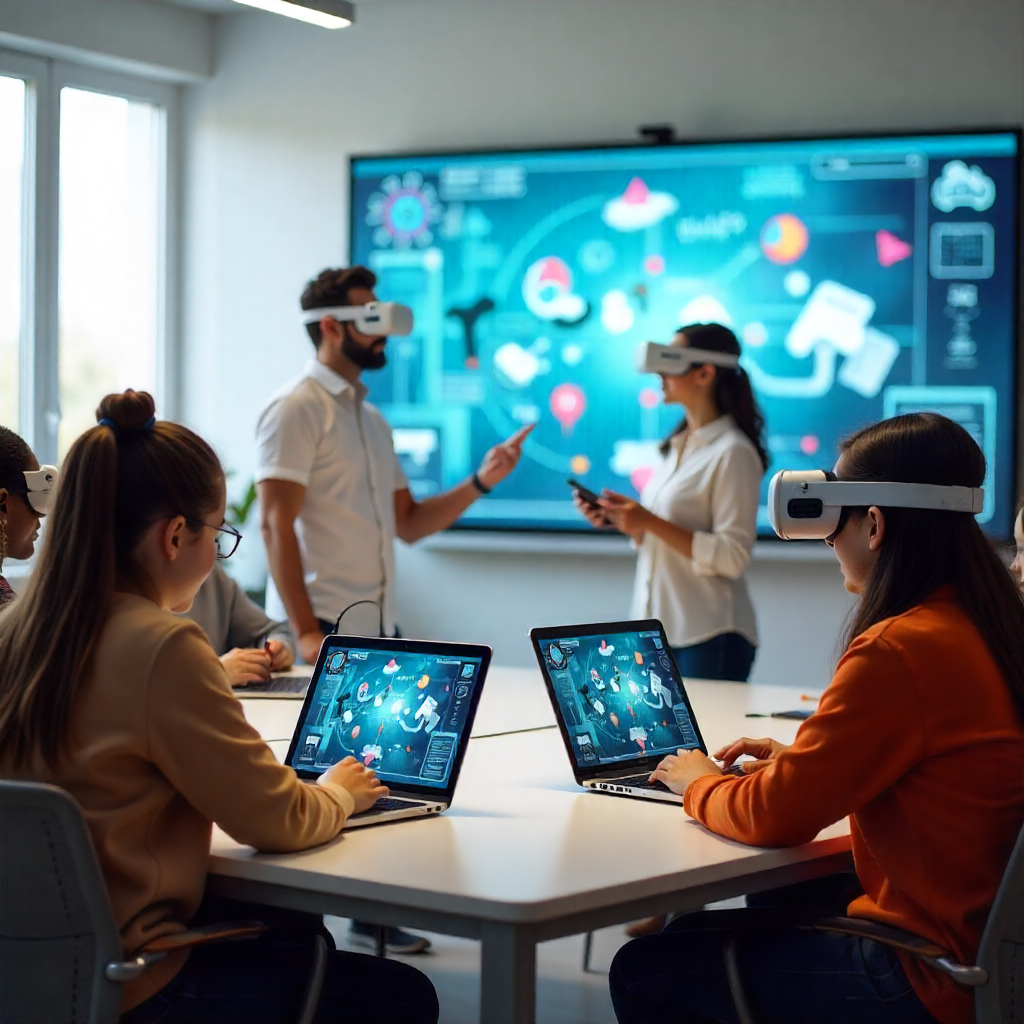
High-quality K–12 learning trends emphasize personalized instruction, digital integration, collaborative problem-solving, data-driven teaching, equitable access, and engaging, student-centered experiences.
The High-Quality Trends in K–12 Learning system is going through a big change. Traditional classrooms are becoming dynamic learning ecosystems. Technology, data-driven instruction, personalised learning, and social-emotional development are all changing how teachers teach and how students learn. As education around the world changes to meet the needs of the 21st century, it is important for teachers, parents, and policymakers to understand the best trends in K–12 learning.
This article looks at the most important and high-quality trends that are changing K–12 learning today. It shows how innovation, inclusivity, and digital transformation are getting students ready for a future that is changing quickly.
1. Learning that High-Quality Trends in K–12 Learning
Personalised learning is the most important thing in modern K–12 education. This method understands that each student learns in their own way and adjusts lessons to fit their needs, strengths, and interests.
AI algorithms power adaptive learning technologies that look at how students are doing and change the content in real time. DreamBox, Khan Academy, and i-Ready are some examples of platforms that use data analytics to make sure students get the right amount of help and challenge.
Pros:
- Encourages learning at your own pace
- Bridges the gaps in achievement
- Increases student interest and confidence
- Gives teachers useful information that they can use
Personalised learning makes sure that every student’s potential is reached by matching teaching methods with student performance data.
2. Using technology and digital tools together
Technology is no longer an extra; it’s now a key part of K–12 education. Because of the move to digital classrooms, especially after the pandemic, devices like Chromebooks, tablets, and interactive whiteboards are now essential for daily lessons.
Teachers now use Learning Management Systems (LMS) like Google Classroom, Canvas, and Schoology to make assignments easier, keep track of how students are doing, and encourage group work. Virtual reality (VR) and augmented reality (AR) are also becoming more popular for making learning more real, like virtual science labs or historical field trips.
Key Benefits:
- Promotes learning through projects and working together
- Improves students’ digital literacy
- Gives people all over the world access to resources and experts
- Using technology in K–12 classrooms has made learning fun, easy to get to, and without limits.
3. Focus on STEM and STEAM Learning
STEM (Science, Technology, Engineering, and Mathematics) education is still a big part of K–12 learning, and there is a growing push to add Arts (A) to make STEAM. This all-encompassing model promotes creativity, new ideas, and critical thinking, which are all important skills for future jobs.
Why It Matters:
- Prepares students for STEM jobs that are in high demand
- Design thinking helps people solve problems.
- Encourages creativity and trying things out for yourself
Schools are getting more and more robotics clubs, coding boot camps, and 3D printing labs. These give students hands-on experience as well as theoretical knowledge.
4. Learning about social and emotional things (SEL)
Social-Emotional Learning (SEL) is another high-quality trend that is changing K–12 education. Schools are putting programs that teach empathy, resilience, and teamwork at the top of their list because they know that emotional intelligence is just as important as academic success.
Some of the most important SEL skills are:
- Being aware of yourself and managing yourself
- Making decisions that are responsible
- Building relationships
- Awareness of social issues
Schools make sure that students are safe and welcome by taking care of their emotional health. This helps them do well in school and in life.
5. Education Based on Competence (CBE)
Competency-based education changes the focus from learning over time to mastering a skill. Students don’t move up in age or grade level; they move up when they show they really understand a skill or concept.
Benefits of CBE:
- Lets you set your own pace
- Encourages learning how to do things instead of just memorising them
- Gives real-world tasks and tests
- CBE gives students control over their education, which makes learning more meaningful and focused on results.
6. Teaching Based on High-Quality Trends in K–12 Learning
Data analysis is now a key part of high-quality K–12 education. Teachers look at performance data to find gaps in learning, change their plans, and give students the help they need. Schools use advanced data dashboards and AI tools to keep track of attendance, behaviour, and grades.
Important Results:
- Better choices when planning the curriculum
- Helping students who are having trouble early on
- More openness and responsibility
This trend makes teaching more accurate and useful, making sure that no student is left behind.
7. Learning Models That Combine and Mix
Blended learning mixes traditional in-person teaching with online parts, giving students more freedom and allowing them to learn at their own pace. This model became more popular during remote learning and is still doing well in today’s classrooms.
Some things that make blended learning special are:
- Lessons that are both in person and online
- Schedules that are flexible and modules that you can work on at your own pace
- More freedom for students
Hybrid models are great for 21st-century learners because they combine the best of both worlds: human interaction and the ability to grow online.
8. Put your attention on fairness and inclusion
Diversity and inclusion are two of the most important parts of today’s K–12 systems. To help students from different cultural, language, and socio-economic backgrounds, as well as those with learning disabilities, schools are using inclusive practices.
- Things that are being done include:
- Teaching methods that are sensitive to culture
- Learning materials and technologies that are easy to get to
- Policies for education that are gender-neutral and against bias
Schools create a stronger, fairer educational foundation for future generations by making sure that every child has an equal chance to succeed.
9. Education about the environment and the world as a whole
As caring for the environment becomes a global priority, K–12 schools are adding eco-friendly lessons to their curriculums. Students learn to think critically about real-world problems through programs like environmental education, climate change awareness, and global citizenship.
Students can learn about being responsible for the environment by doing things like planting gardens, recycling, and using green technology.
10. Skills that will help you High-Quality Trends in K–12 Learning and be ready for the future
The K–12 education system is changing from memorising facts to preparing students for the future. Communication, leadership, collaboration, and digital fluency are all skills that can be used in many different situations.
Important Skills for Future Success:
- Thinking critically and analytically
- Creative thinking and new ideas
- Being able to read and write in digital and media
- An entrepreneurial way of thinking
Schools are getting kids ready for more than just college; they’re getting them ready for life outside of school as well.
Questions that are often asked (FAQs) for High-Quality Trends in K–12 Learning
1. What are the most recent trends in K–12 education for 2025?
Personalised learning, AI-based adaptive platforms, competency-based education, social and emotional learning (SEL) programs, and blended learning models are some of the most important trends.
2. How is technology making K–12 education better?
Technology makes it easier for people to get involved, work together, and share information. Learning can be interactive and measurable with tools like LMS platforms, VR/AR, and data analytics.
3. What makes social-emotional learning important in K–12 schools?
SEL helps students deal with stress and work well in groups by teaching them how to be emotionally intelligent, empathic, and strong.
4. What part does data play in today’s K–12 education?
Teachers can find out where students are struggling, customise their lessons, and make better decisions based on evidence with the help of data analytics.
5. What does K–12 education do to get students ready for the future?
K–12 schools teach students skills that will help them learn for the rest of their lives by focussing on critical thinking, digital literacy, and solving problems in the real world.
To sum up
Technology, new ideas, and a renewed focus on whole-person development are all making K–12 education change faster than ever. Trends like personalised learning, social and emotional learning (SEL), and competency-based models are making classrooms more welcoming, interesting, and ready for the future.
The goal is still the same: to give every student the knowledge, skills, and attitude they need to succeed in a world that is becoming more connected. This is what teachers are doing by using digital tools, emotional learning frameworks, and policies that focus on fairness.